Guide
200+ Bible Discussion Questions for Kids, by Story
Ages 5+·18 min read··By Faithful Kids Team·Updated August 16, 2026
Asking the right question can turn a Bible story from something kids passively hear into something they actively think about. The best Bible discussion questions are open-ended, age-appropriate, and connected to real life.
We've organized over 200 questions across 20 major Bible stories. Use them in Sunday school lessons, homeschool Bible time, family devotions, or kids Bible study groups. There are no trick questions here -- just thoughtful prompts designed to help children engage with Scripture on their own terms.
How to Use These Questions
A few ground rules before you dive in:
- Pick 2-3 questions per session, not all 10. Let the conversation breathe.
- Accept all answers. If a child says something unexpected, explore it with them rather than correcting immediately.
- Follow up with "Why do you think that?" This single phrase deepens any answer.
- Adjust for age. Younger kids (5-7) do better with concrete questions ("What happened next?"). Older kids (8-13) can handle abstract ones ("Why do you think God allowed that?").
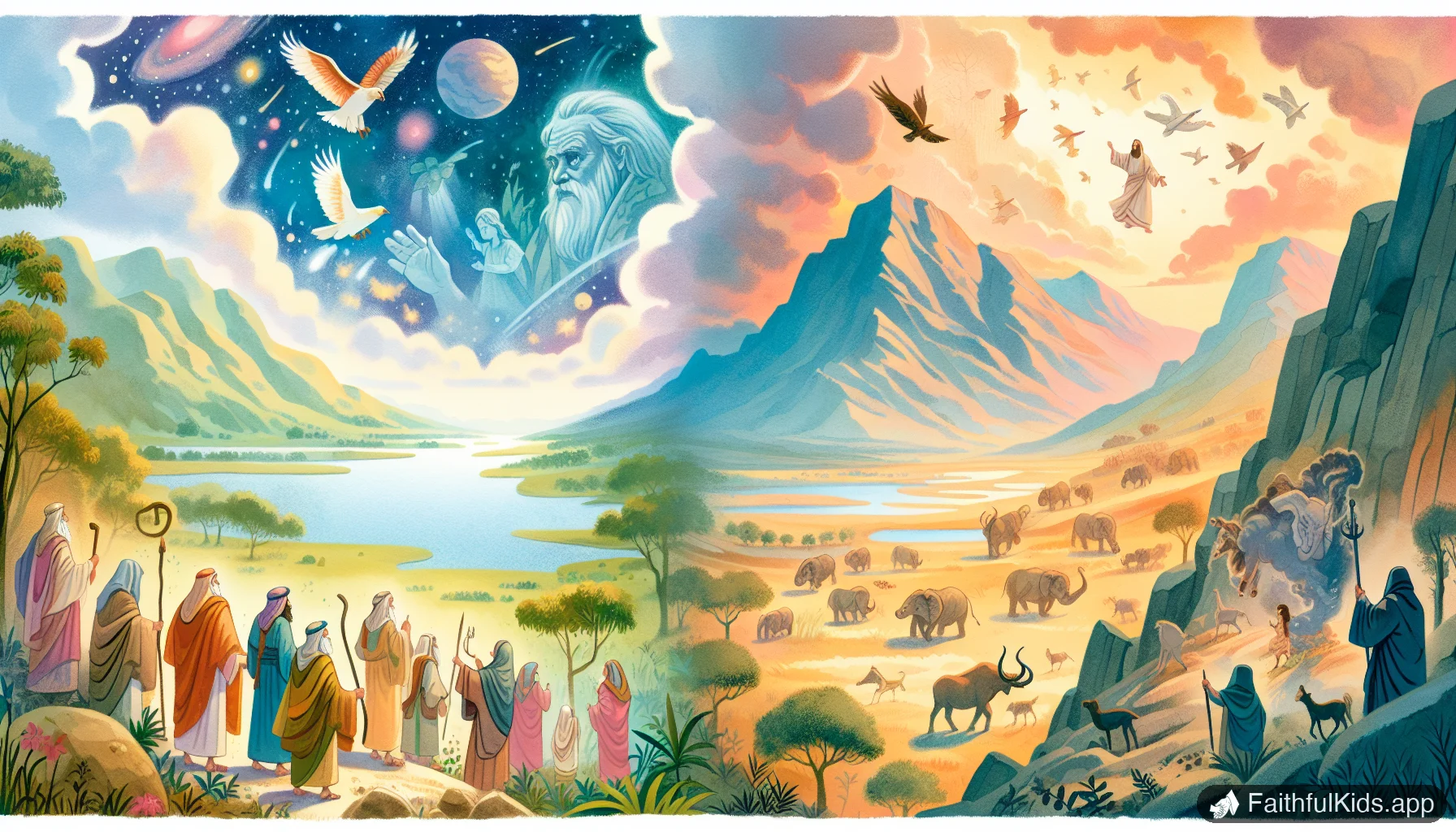
1. Creation (Genesis 1-2)
- What is your favorite thing God created, and why?
- Why do you think God rested on the seventh day?
- If you could have been there when God made the animals, which one would you want to see first?
- God said everything He made was "very good." What does "very good" mean to you?
- Why do you think God gave Adam the job of naming all the animals?
- What does it mean that people are made "in God's image"?
- How does knowing God made everything change the way you look at nature?
- Why do you think God made so many different kinds of flowers, fish, and birds instead of just one of each?
- God made light before He made the sun. What does that tell you about God?
- If you could ask God one question about how He made the world, what would it be?
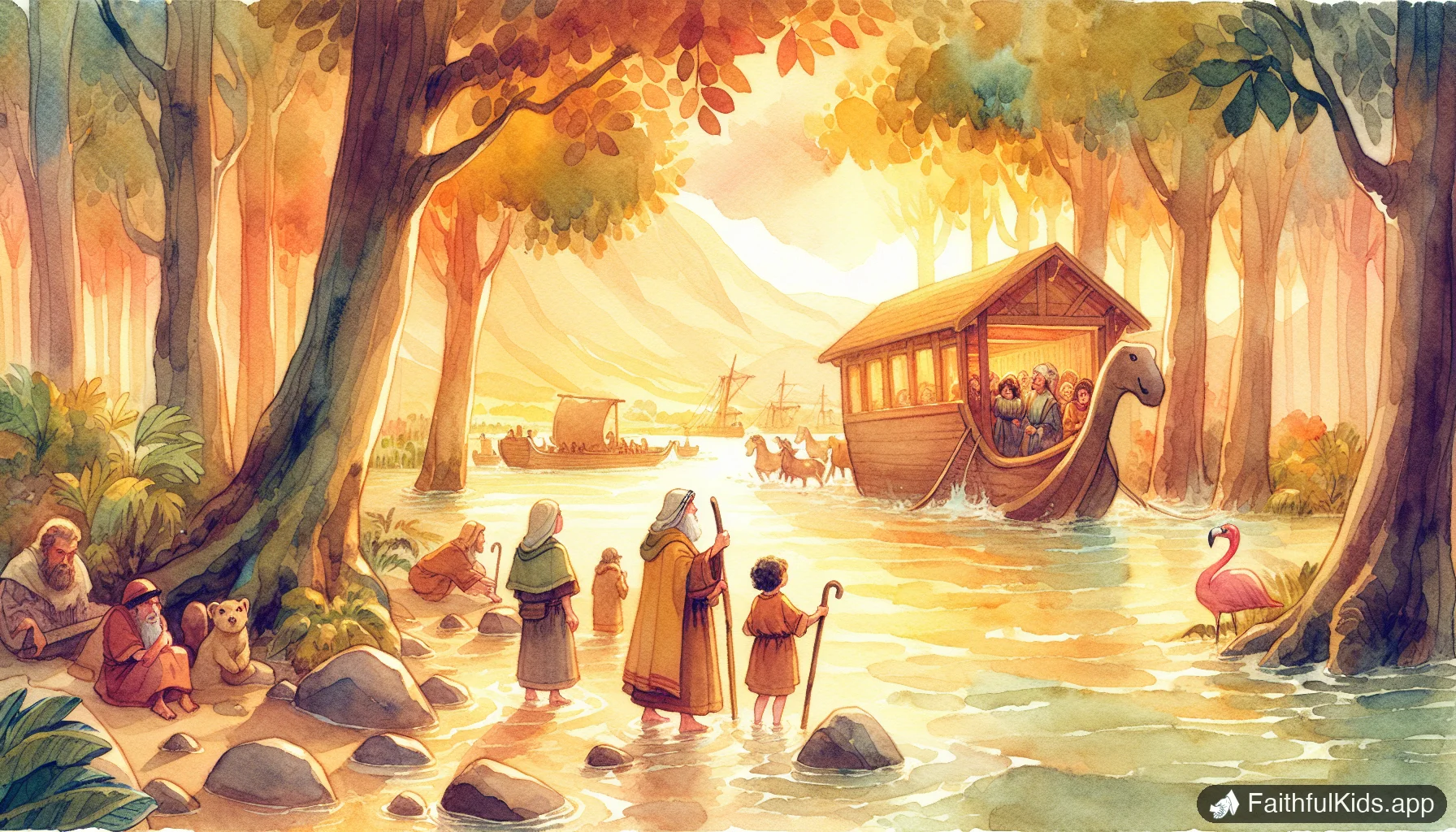
2. Noah's Ark (Genesis 6-9)
- Why did God choose Noah out of everyone on earth?
- Do you think Noah's neighbors made fun of him for building a boat? How would you feel?
- What do you think it was like inside the ark for 40 days and nights?
- Why do you think God saved the animals too, not just Noah's family?
- How do you think Noah felt when he finally saw dry land?
- What does the rainbow mean, and why did God choose that as His sign?
- Have you ever had to do something that seemed strange to other people because you knew it was right?
- Noah obeyed God even when it didn't make sense. When is it hardest for you to obey?
- What would you bring on the ark if you were Noah?
- God kept His promise to Noah. What is a promise God has made to you?
A related freebie: our Good Shepherd coloring page, drawn as clean line art for crayons and markers.
3. Abraham and Isaac (Genesis 22:1-19)
- Why do you think God asked Abraham to do something so hard?
- How do you think Abraham felt walking up the mountain with Isaac?
- What does this story teach you about trusting God even when you don't understand?
- Isaac asked his father, "Where is the lamb?" What do you think Abraham was thinking?
- God provided a ram at the last moment. Has God ever provided something for your family at just the right time?
- What does the name "The Lord Will Provide" mean to you?
- Do you think Abraham was scared? Is it okay to be scared and still obey God?
- Why is this story important for understanding what God later did by sending Jesus?
- What is the hardest thing God has ever asked you to trust Him with?
- How does Abraham's faith inspire you?
4. Joseph's Story (Genesis 37-50)
- Why were Joseph's brothers so jealous of him?
- Have you ever felt jealous of a sibling or friend? What did you do about it?
- Joseph was thrown in a pit, sold as a slave, and put in prison. How did he keep trusting God through all that?
- What does Joseph's story teach you about waiting for God's plan?
- Why do you think God gave Joseph the ability to interpret dreams?
- When Joseph finally saw his brothers again, he forgave them instead of getting revenge. Could you have done that?
- Joseph said, "You meant evil against me, but God meant it for good" (Genesis 50:20). What does that verse mean in your own words?
- Has something bad ever happened to you that turned into something good later?
- What character trait of Joseph's do you most want to have?
- If you were one of Joseph's brothers, what would you say to him when you met him in Egypt?
5. Moses and the Exodus (Exodus 1-14)
- Why do you think God chose a burning bush to get Moses' attention?
- Moses said he wasn't a good speaker. Has God ever asked you to do something you felt you couldn't do?
- Why did Pharaoh keep saying no even after all the plagues?
- Which of the ten plagues do you think was the scariest?
- What does the Passover teach you about God's protection?
- How do you think the Israelites felt standing at the edge of the Red Sea with the Egyptian army behind them?
- What would you have done at the Red Sea -- panicked, prayed, or both?
- God used Moses even though Moses had made mistakes. What does that tell you about how God uses people?
- "Be still, and know that I am God" -- how can you practice being still when you're afraid?
- What is your "Red Sea" right now -- a big problem that feels impossible?
6. David and Goliath (1 Samuel 17)
- Why was everyone in Israel's army afraid of Goliath?
- David was just a shepherd boy. Why wasn't he afraid?
- What "giants" do you face in your life -- things that seem too big to handle?
- King Saul offered David his armor, but David said no. Why?
- David said, "The Lord who rescued me from the paw of the lion and the paw of the bear will rescue me from this Philistine." What past experience gives you courage today?
- Why did David pick up five stones if God was going to help him?
- Do you think being brave means you're never scared?
- What does this story teach about how God sees people differently than the world does?
- David's brothers told him to go home. Has anyone ever told you that you're too young or too small to do something important?
- How can you be like David this week?
7. Daniel in the Lion's Den (Daniel 6)
- Why were the other officials jealous of Daniel?
- Daniel prayed three times a day even when it was illegal. What would you have done?
- Is there anything you would risk getting in trouble for because you know it's right?
- How do you think Daniel felt when they threw him into the den?
- Why did God send an angel to shut the lions' mouths?
- The king was happy Daniel survived. What does that tell you about the impact of living faithfully?
- Daniel was consistent -- he didn't just pray when he was in trouble. Why does consistency matter?
- What is something you do every day for God, even when no one is watching?
- Has standing up for what's right ever gotten you in trouble? What happened?
- What does Daniel's story teach you about courage?
8. Jonah and the Whale (Jonah 1-4)
- Why did Jonah run away from God?
- Have you ever tried to avoid something God (or your parents) asked you to do?
- What do you think Jonah was thinking inside the big fish?
- God gave Jonah a second chance. How does that make you feel about your own mistakes?
- When Jonah finally preached in Nineveh, the whole city repented. Were you surprised?
- Jonah was actually angry that God forgave Nineveh. Why?
- Is there anyone you think doesn't deserve God's forgiveness? What does this story say about that?
- What does Jonah's story teach about running from God's plan?
- If God asked you to do something hard, what would help you say yes?
- How is God's mercy bigger than Jonah expected?
9. The Birth of Jesus (Luke 2, Matthew 1-2)
- Why do you think God chose Mary and Joseph -- ordinary people -- to raise His Son?
- Jesus was born in a stable, not a palace. What does that tell you about what God values?
- The angels appeared to shepherds first, not kings. Why do you think that is?
- What do you think the shepherds told people when they went back to their flocks?
- The wise men traveled a very long way to see Jesus. What would you travel far to see?
- How do you think Mary felt when the angel told her she would have God's Son?
- Why is it important that Jesus came as a baby and not as a powerful king?
- What gifts would you bring to baby Jesus?
- What does the name "Immanuel" (God with us) mean to you personally?
- How does the Christmas story make you feel about God's love?
10. Jesus Feeds 5,000 (John 6:1-14)
- A boy offered his small lunch of five loaves and two fish. Why does that matter?
- Have you ever felt like what you have to offer is too small to make a difference?
- Why did Jesus ask Philip where to buy bread when He already knew what He was going to do?
- What does this miracle teach about sharing what you have?
- There were 12 baskets of leftovers. What does that tell you about God's generosity?
- If you were in that crowd, what would you have thought when the food kept multiplying?
- How can you be like the boy with the loaves and fish this week?
- Why do you think Jesus gave thanks before breaking the bread?
- What "small thing" could you give to God that He might use in a big way?
- How does this story show that Jesus cares about everyday needs, not just spiritual ones?
11. Jesus Walks on Water (Matthew 14:22-33)
- Why did Jesus send the disciples ahead of Him in the boat?
- The disciples thought Jesus was a ghost. Why were they so scared?
- Peter got out of the boat and walked on water. What gave him the courage?
- Peter started to sink when he looked at the waves. What "waves" distract you from trusting God?
- Jesus immediately reached out and caught Peter. What does that tell you about how Jesus responds when we struggle?
- "You of little faith, why did you doubt?" -- Is Jesus being mean here, or something else?
- Would you have gotten out of the boat? Be honest.
- What does it look like to "keep your eyes on Jesus" in everyday life?
- The wind stopped as soon as Jesus got in the boat. How does Jesus bring calm to your storms?
- What step of faith is God asking you to take right now?
13. The Prodigal Son (Luke 15:11-32)
- Why did the younger son want to leave home?
- What happened when he spent all his money?
- When did the son decide to go back home -- what was his turning point?
- The father ran to meet his son. Why is that detail so important?
- How do you think the son felt when his father hugged him instead of punishing him?
- The older brother was angry. Do you understand why? Is he right or wrong?
- Who do you relate to more -- the younger son or the older brother?
- What does this story teach about God's forgiveness?
- Have you ever made a big mistake and been surprised by someone's forgiveness?
- The father said, "He was lost and is found." What does it feel like to be "found" by God?
14. Jesus Calms the Storm (Mark 4:35-41)
- Jesus was asleep during the storm. What does that tell you about His peace?
- The disciples asked, "Don't you care if we drown?" Have you ever felt like God doesn't care about your problem?
- Jesus spoke to the wind and waves and they obeyed. What does that tell you about His power?
- "Why are you so afraid? Do you still have no faith?" -- What is Jesus teaching the disciples?
- What storms in your life do you wish Jesus would calm?
- The disciples had already seen Jesus do miracles. Why were they still afraid?
- Is it okay to be afraid and still have faith?
- How can you remember this story next time you're scared?
- What does it mean that even the wind and waves obey Jesus?
- If Jesus is powerful enough to stop a storm, what else can He handle in your life?
15. Zacchaeus (Luke 19:1-10)
- Why did Zacchaeus climb a tree to see Jesus?
- Nobody liked Zacchaeus because he cheated people. How do you think that felt?
- Of all the people in the crowd, Jesus stopped and looked up at Zacchaeus. Why him?
- How did Zacchaeus change after meeting Jesus?
- He gave back four times what he had stolen. Why do you think he went beyond what was required?
- The crowd grumbled that Jesus went to a "sinner's house." How does Jesus see people differently?
- Have you ever felt left out or unliked? How does Zacchaeus's story encourage you?
- What does this story teach about how meeting Jesus changes people?
- Is there anyone at school or in your life who seems lonely and might need someone to notice them?
- Jesus said, "The Son of Man came to seek and save the lost." What does "lost" mean in this verse?
16. The Last Supper (Matthew 26:17-30)
- Why did Jesus wash His disciples' feet before the meal?
- How do you think the disciples felt when Jesus said one of them would betray Him?
- Jesus broke bread and said, "This is my body." What was He trying to help them understand?
- Why do Christians still take communion today?
- What does it mean to serve others the way Jesus served His disciples?
- Jesus knew what was about to happen to Him. How could He still be so caring at dinner?
- If you were at that table, what question would you ask Jesus?
- How can you "wash someone's feet" -- serve someone -- this week?
- What does this meal teach about remembering what Jesus did for us?
- Why is the Last Supper one of the most important events in the Bible?
17. The Crucifixion (Matthew 27, Luke 23)
- Why did Jesus have to die on the cross?
- Jesus asked God to "forgive them, for they don't know what they're doing." Could you forgive someone who was hurting you?
- How do you think Mary felt watching her son on the cross?
- The sky went dark for three hours. What do you think God was feeling?
- Jesus said, "It is finished." What was finished?
- The temple curtain tore in two from top to bottom. What did that mean?
- How does the crucifixion show both the worst of people and the best of God?
- What does it mean to you personally that Jesus chose to go to the cross?
- A Roman soldier said, "Surely this was the Son of God." What changed his mind?
- How does Good Friday connect to Easter Sunday?
18. The Resurrection (Matthew 28, John 20)
- Why did the women go to the tomb so early in the morning?
- How do you think they felt when they saw the stone was rolled away?
- The angel said, "He is not here; He has risen!" What would you have done if you heard that?
- Why did Jesus appear to Mary Magdalene first?
- Thomas wouldn't believe until he saw Jesus himself. Is it okay to have doubts?
- Jesus said, "Blessed are those who have not seen and yet have believed." How does that apply to us?
- Why is the resurrection the most important event in Christianity?
- How does knowing Jesus is alive change the way you live today?
- What would you say to someone who asks why Easter matters?
- How does the resurrection give you hope?
19. The Road to Emmaus (Luke 24:13-35)
- Two disciples were walking and talking about everything that had happened. Who do you talk to when you're confused or sad?
- Jesus walked right beside them, but they didn't recognize Him. Why not?
- Jesus explained all the Scriptures about Himself. Why is it important to understand the whole Bible, not just parts?
- When did they finally recognize Jesus?
- They said their hearts were "burning within them." Have you ever felt that excitement about God?
- As soon as they recognized Jesus, He disappeared. Why do you think He did that?
- They ran all the way back to Jerusalem to tell the others. When have you been so excited about something you had to tell someone?
- How does Jesus walk with you even when you don't realize it?
- What does this story teach about hospitality (they invited the stranger to dinner)?
- How can reading the Bible help you "recognize" Jesus in your daily life?
20. Paul's Conversion (Acts 9:1-19)
- Saul hated Christians and wanted to arrest them. What changed?
- A bright light knocked Saul off his horse and blinded him. Why do you think God got his attention that way?
- Jesus asked, "Saul, Saul, why do you persecute me?" What does it mean that persecuting Christians is the same as persecuting Jesus?
- Saul was blind for three days. What do you think he was thinking during that time?
- God asked Ananias to go help Saul -- the man who arrested Christians. Would you have gone?
- Ananias called Saul "Brother." What does that tell you about forgiveness?
- Saul became Paul and spent the rest of his life telling people about Jesus. How can God change anyone?
- Is there anyone you think is "too far gone" for God to reach?
- Paul's conversion shows that your past doesn't define your future. How does that encourage you?
- What is one way God has changed you or someone you know?
Tips for Leading Great Discussions
For younger kids (ages 5-7): Stick to the first 3-4 questions per story. Use "What happened?" and "How would you feel?" questions. Let them draw their answers if they struggle with words.
For older kids (ages 8-10): Use 4-6 questions and encourage them to find answers in the Bible text itself. Teach them to look up verses.
For preteens (ages 11-13): Go deeper with all 10 questions. Challenge them to connect stories to their own experiences. Allow respectful disagreement and honest doubt.
For families: Pick one question at dinner each night -- our family dinner Bible questions are built for exactly this. Let everyone answer, parents included. Kids learn faith most when they see their parents wrestling with it too.
Mix in some recall. Discussion builds understanding; a round of Bible trivia questions for kids checks what stuck and keeps things playful.
Watch on Faithful Kids
Want to pair these discussion questions with engaging video lessons your kids will actually love? Faithful Kids brings every major Bible story to life with animated videos, interactive quizzes, and guided reflections.
Start your free trial at faithfulkids.app/quiz
Frequently Asked Questions
What age are these Bible discussion questions designed for?
These questions work for kids ages 5-13, though you'll want to adjust which questions you use based on age. Younger children do best with concrete, story-based questions, while preteens can handle more abstract and application-oriented prompts.
How many questions should I ask per Bible study session?
Two to three questions per session is the sweet spot. This gives kids time to think deeply and share without rushing. Quality of discussion matters far more than quantity of questions covered.
Can I use these questions for homeschool Bible curriculum?
Absolutely. These questions pair perfectly with any homeschool Bible reading plan. Read the passage together, then use 2-3 questions as your discussion time. Many homeschool families use them alongside video-based programs like Faithful Kids for a complete Bible curriculum.
What if a child gives a "wrong" answer to a Bible discussion question?
Resist the urge to immediately correct. Instead, ask follow-up questions: "That's interesting -- what makes you think that?" or "Let's look at what the Bible says about that." The goal is to teach kids to think about Scripture, not to recite the "right" answer.