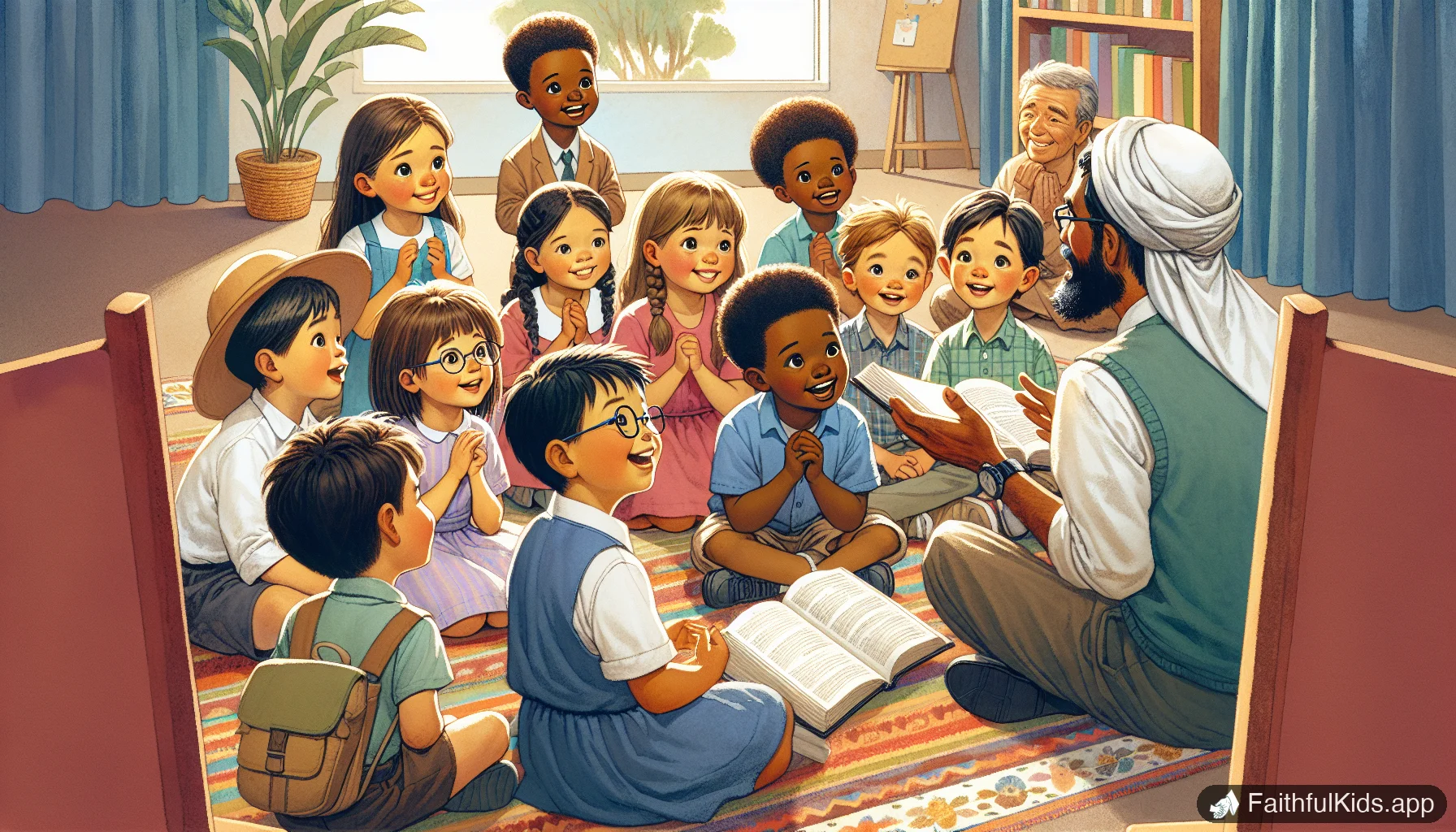
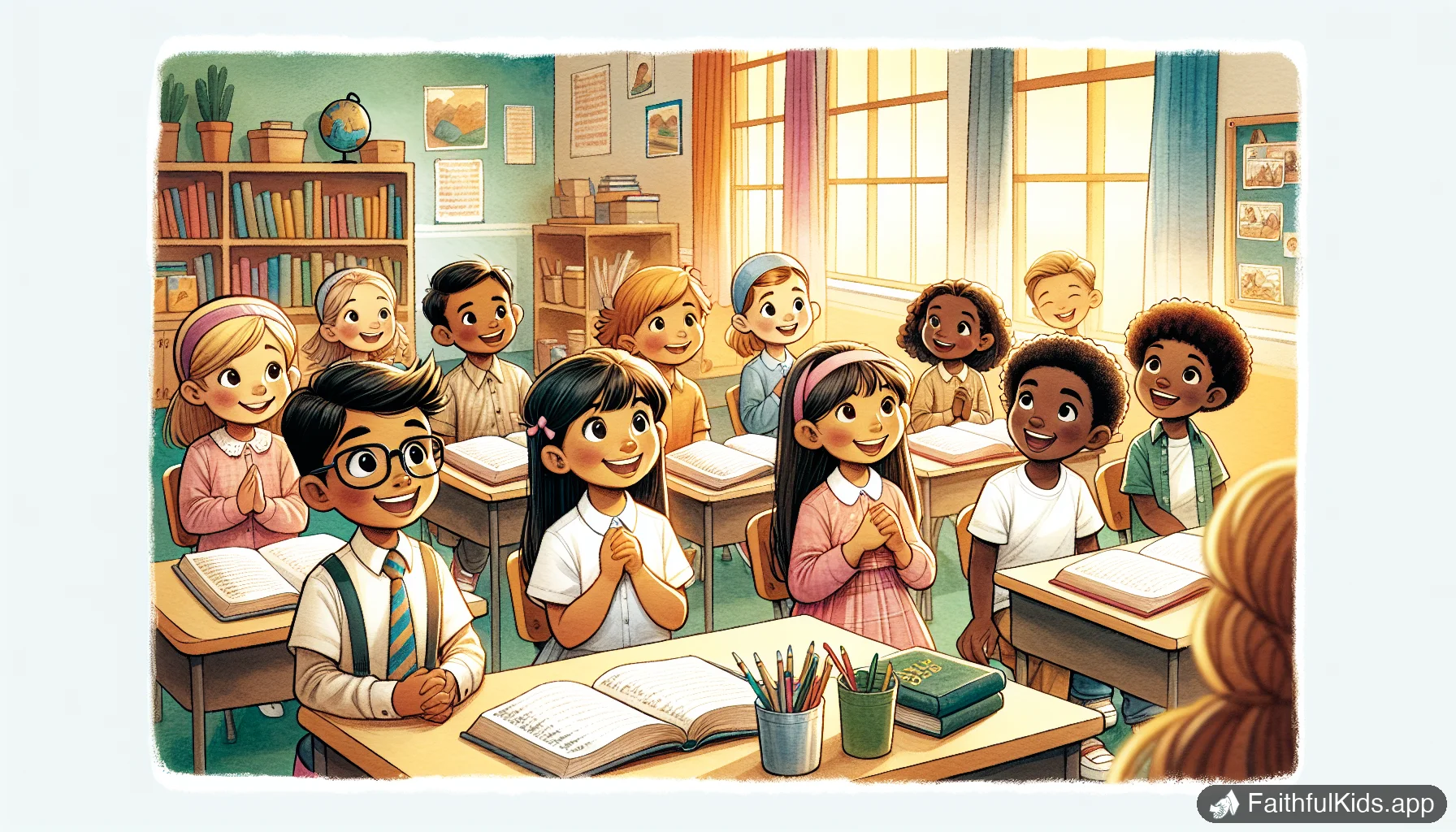
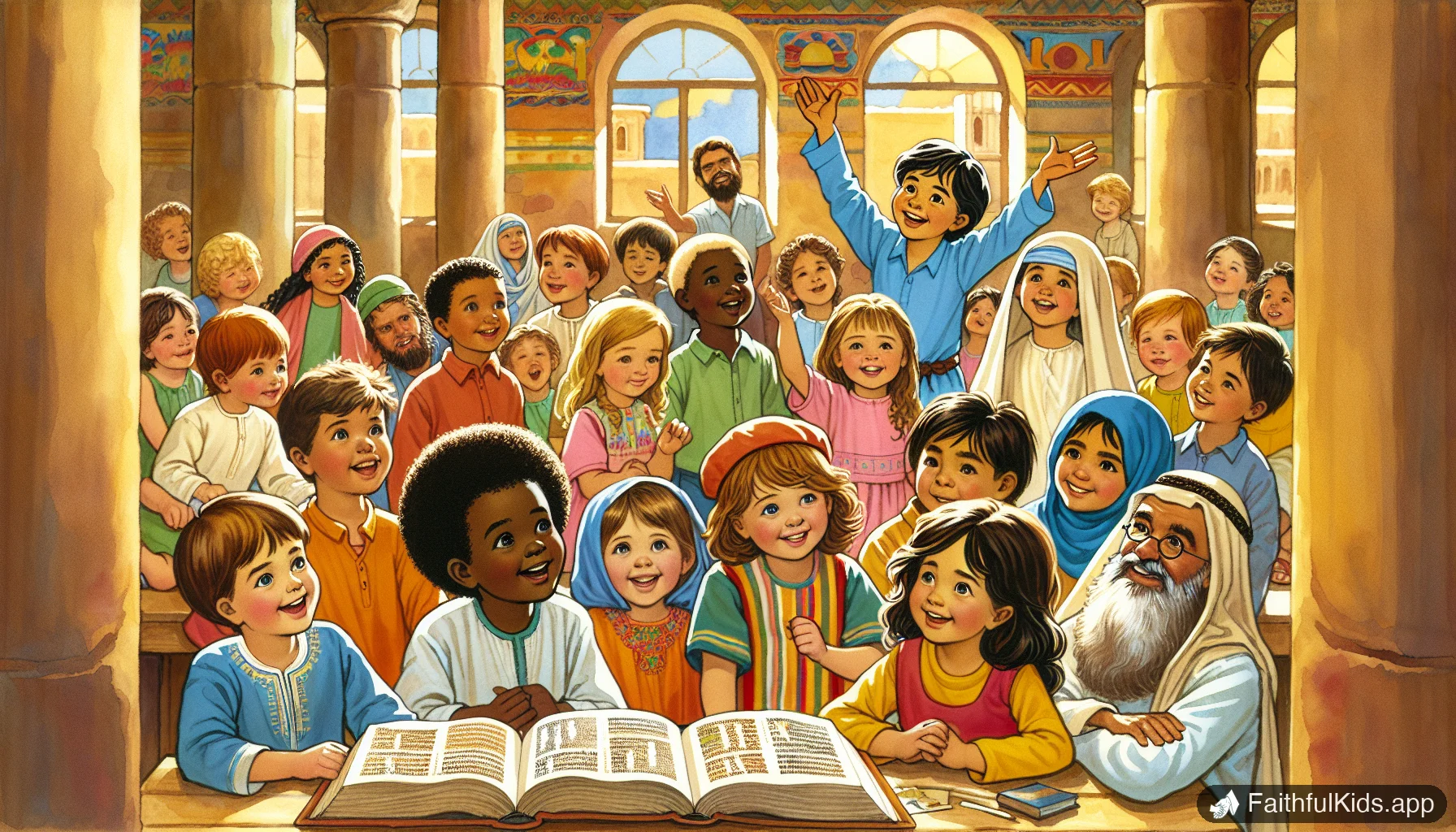
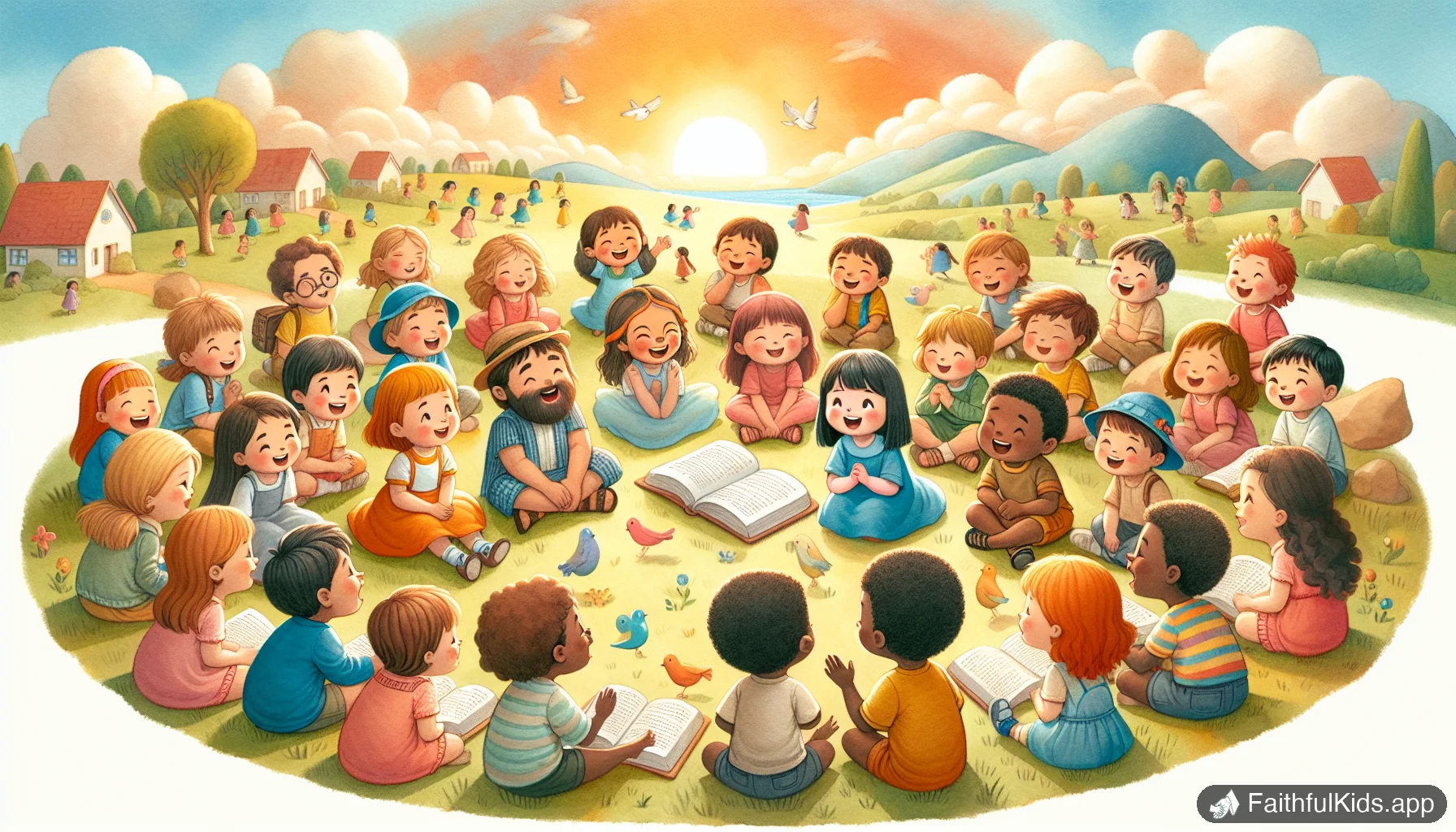
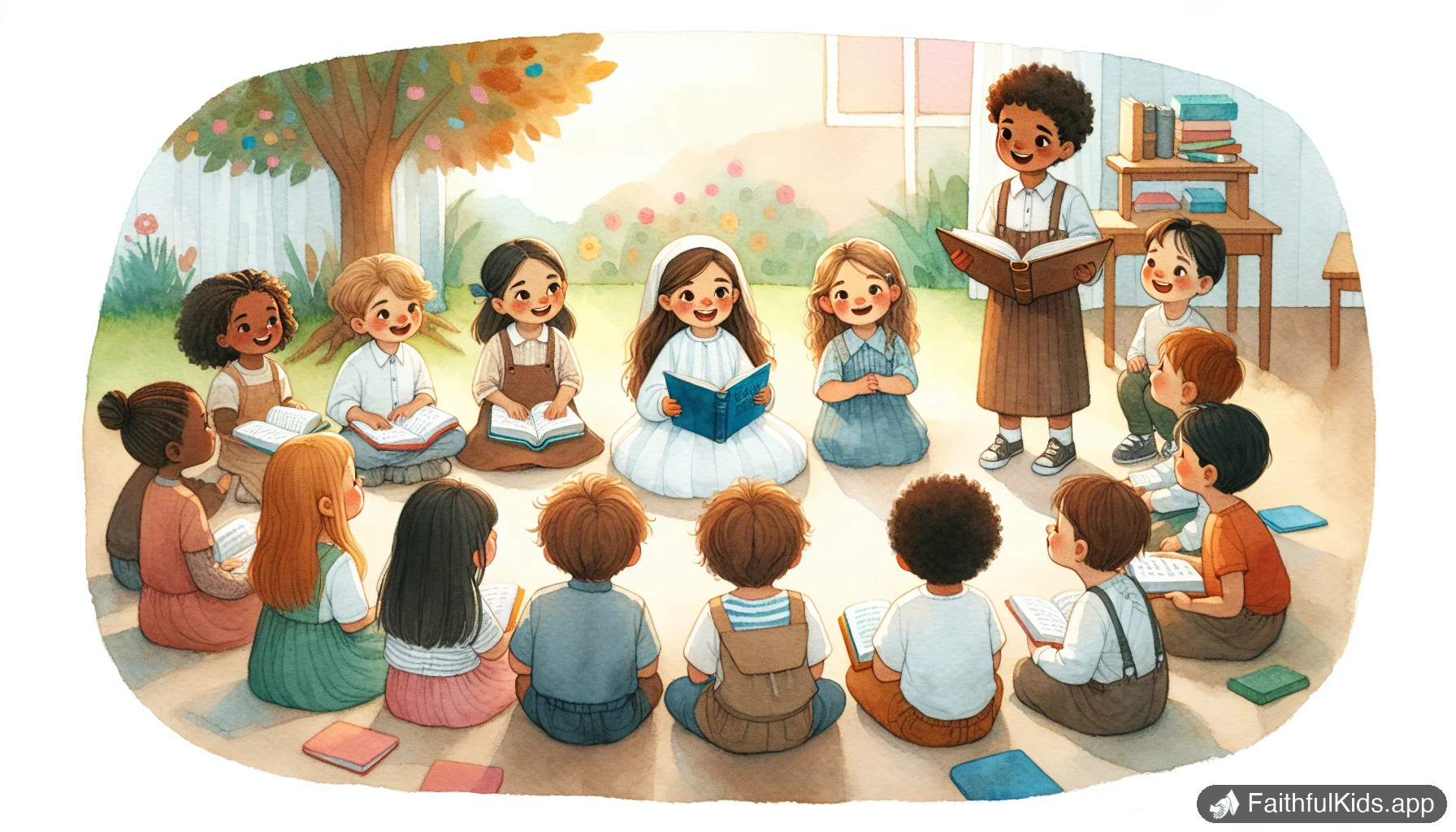
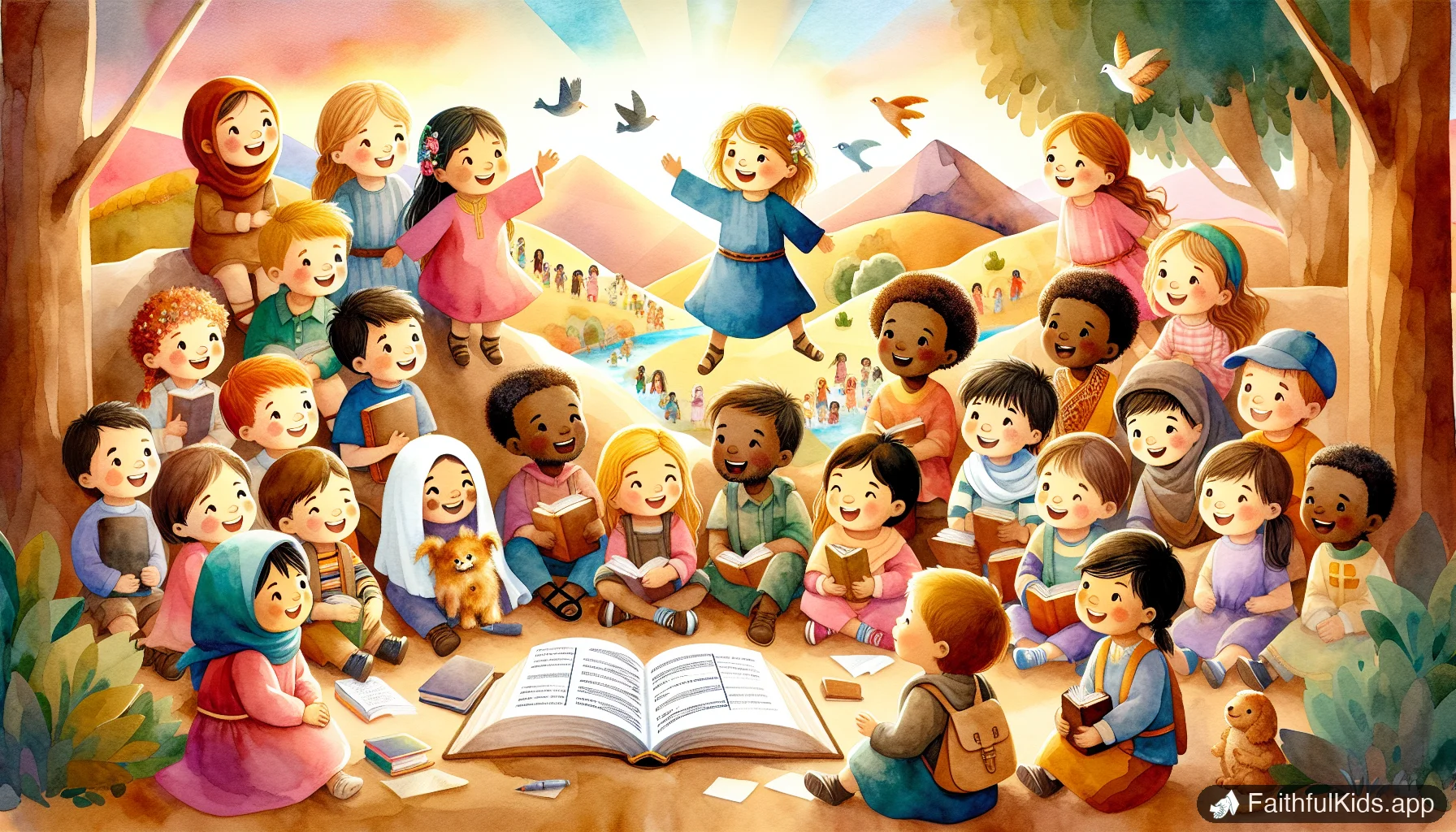
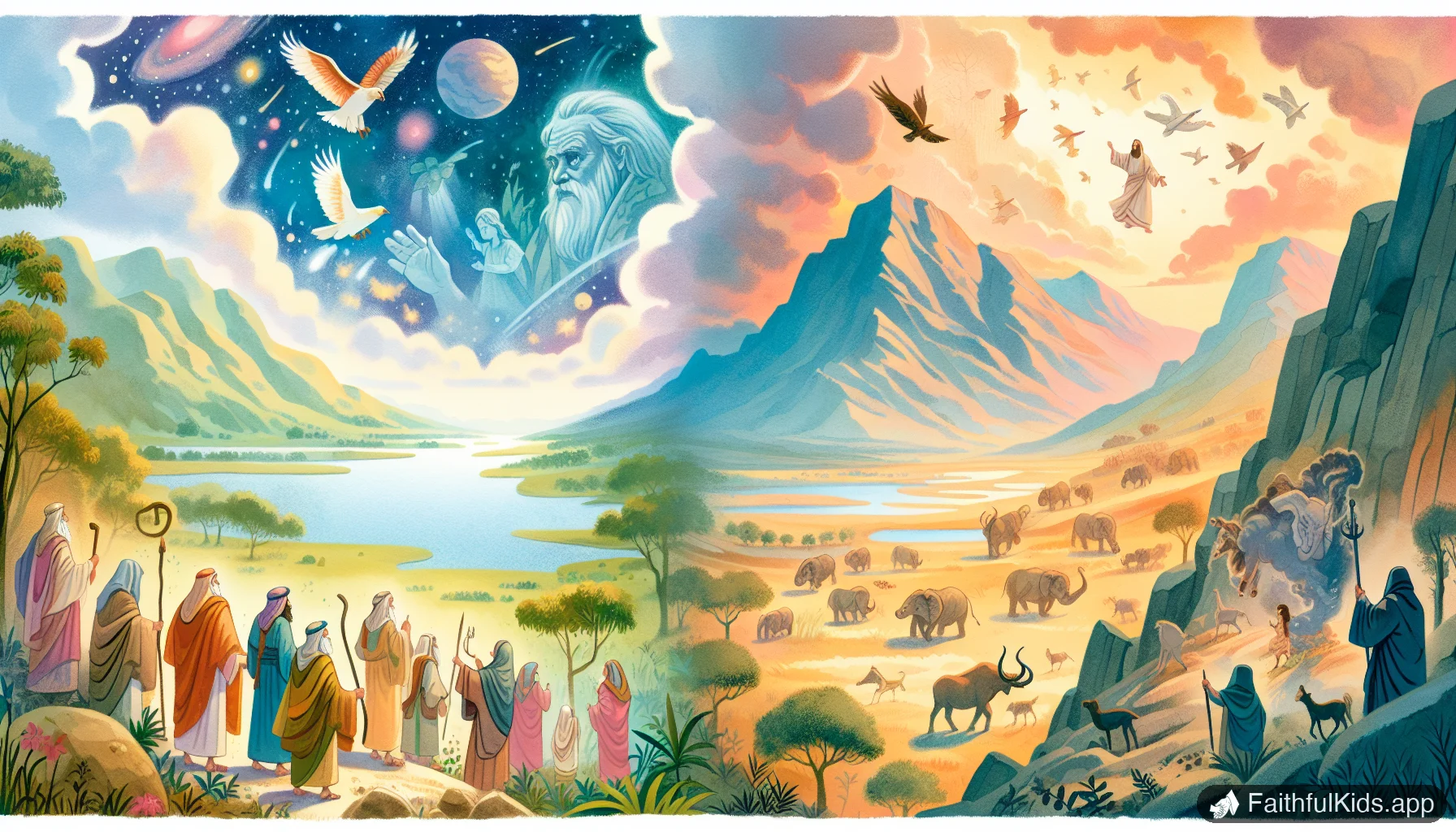
Children are visual learners by nature. Before they can read, they learn by seeing. A toddler points at a dog before they can say the word. A preschooler recognizes the golden arches of a fast food restaurant from a moving car. By the time kids enter school, they have already absorbed thousands of images that shape how they understand the world.
This is why visual Bible learning is so powerful. When a child sees the Red Sea towering on both sides of the Israelites, that image stays with them in a way that hearing "and God parted the waters" alone simply cannot match. The Bible is full of vivid, dramatic, beautiful stories that were meant to be seen, not just heard.
This guide explores why visual learning matters, identifies the 10 most visual Bible stories perfect for kids, compares different visual formats, and helps you choose the best approach for your family.
Why Visual Learning Matters for Kids
The Science Behind It
Research shows that the human brain processes visual information 60,000 times faster than text. According to Dr. John Medina's "Brain Rules," when people hear information, they remember about 10% of it three days later. But when that information is paired with a relevant image, retention jumps to 65%.
For children, these numbers are even more dramatic. Young brains are still developing the neural pathways for abstract thinking, which means concrete, visual experiences are their primary learning mode. A child who sees a picture of David standing before Goliath understands the concept of "courage in the face of a giant" far more intuitively than a child who only hears the words.
Emotional Connection
Pictures create emotional responses that words alone sometimes cannot. When a child sees the face of a father running toward his lost son (the Prodigal Son), they feel the joy of reunion. When they see baby Moses floating in a basket on the Nile, they feel the tension and tenderness of the moment. These emotional connections are what transform Bible stories from information into formation.
Memory Anchors
Visual memories serve as anchors for larger narratives. Years after seeing an illustrated version of Jonah inside the great fish, a child can recall the entire story just by thinking of that image. The picture becomes a mental bookmark that unlocks the full story, the lesson, and the feelings associated with it.
The 10 Most Visual Bible Stories for Kids
These stories were chosen because they contain vivid imagery that translates powerfully into pictures, illustrations, and video.
1. Creation (Genesis 1-2)
The ultimate visual story. Light bursting out of darkness. Oceans separating from sky. Towering mountains rising from flat earth. Animals of every shape, color, and size appearing for the first time. There is no story in the Bible with more diverse visual potential than creation. Each day offers a completely different palette.
Why it works visually: Every day of creation introduces new colors, textures, and forms. Kids can see the progression from emptiness to abundance.
2. Noah's Ark (Genesis 6-9)
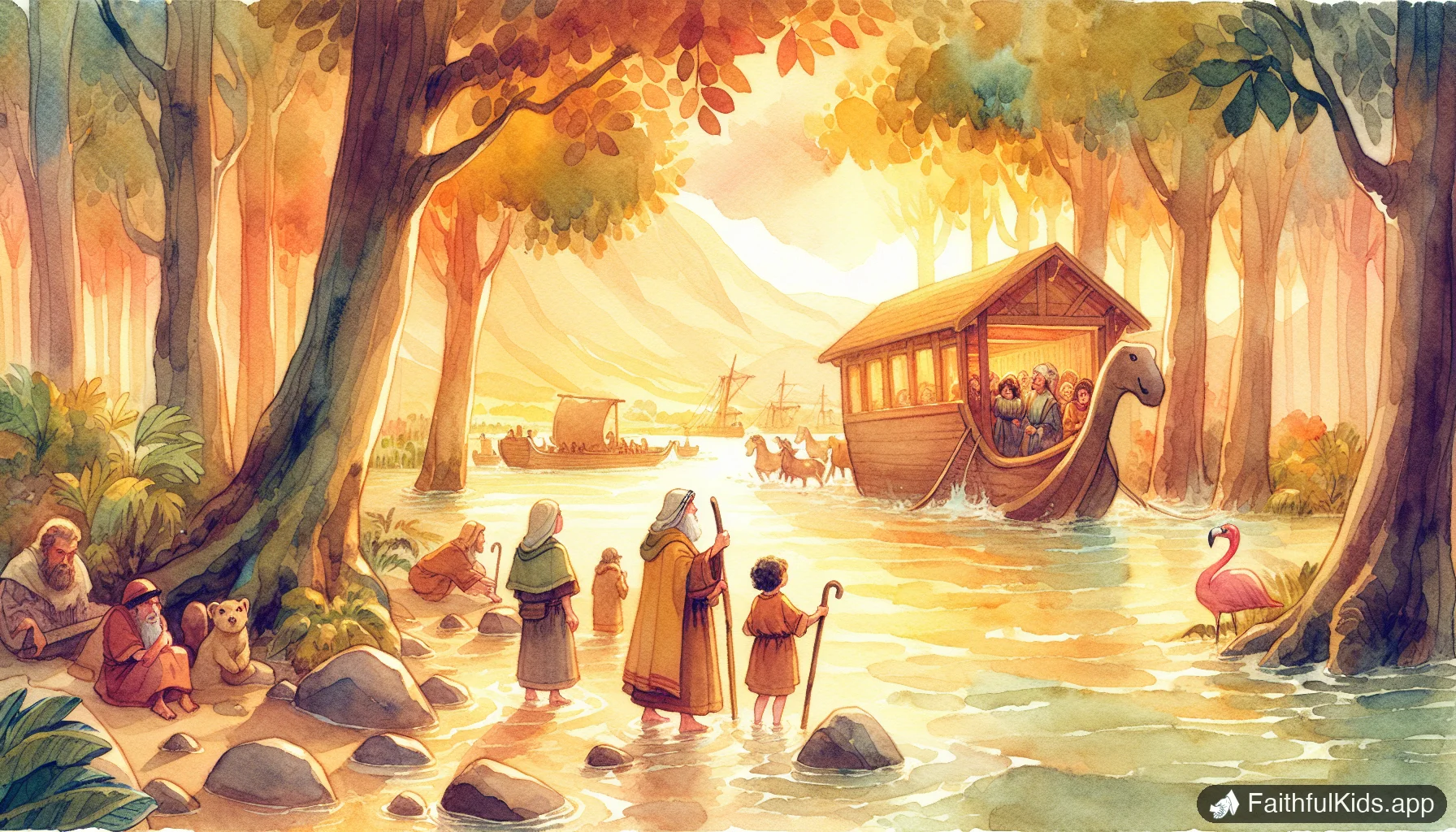
A massive wooden ship. Animals of every species boarding two by two. Rain pouring from the sky. Floodwaters covering the earth. A dove returning with an olive branch. A rainbow stretching across the clearing sky. Noah's Ark is the most illustrated Bible story in history for a reason: it is spectacularly visual. Read the full story in Noah and the Great Flood for kids.
Why it works visually: The variety of animals gives illustrators and animators endless creative possibilities. The rainbow provides a triumphant, colorful conclusion.
3. The Burning Bush (Exodus 3)
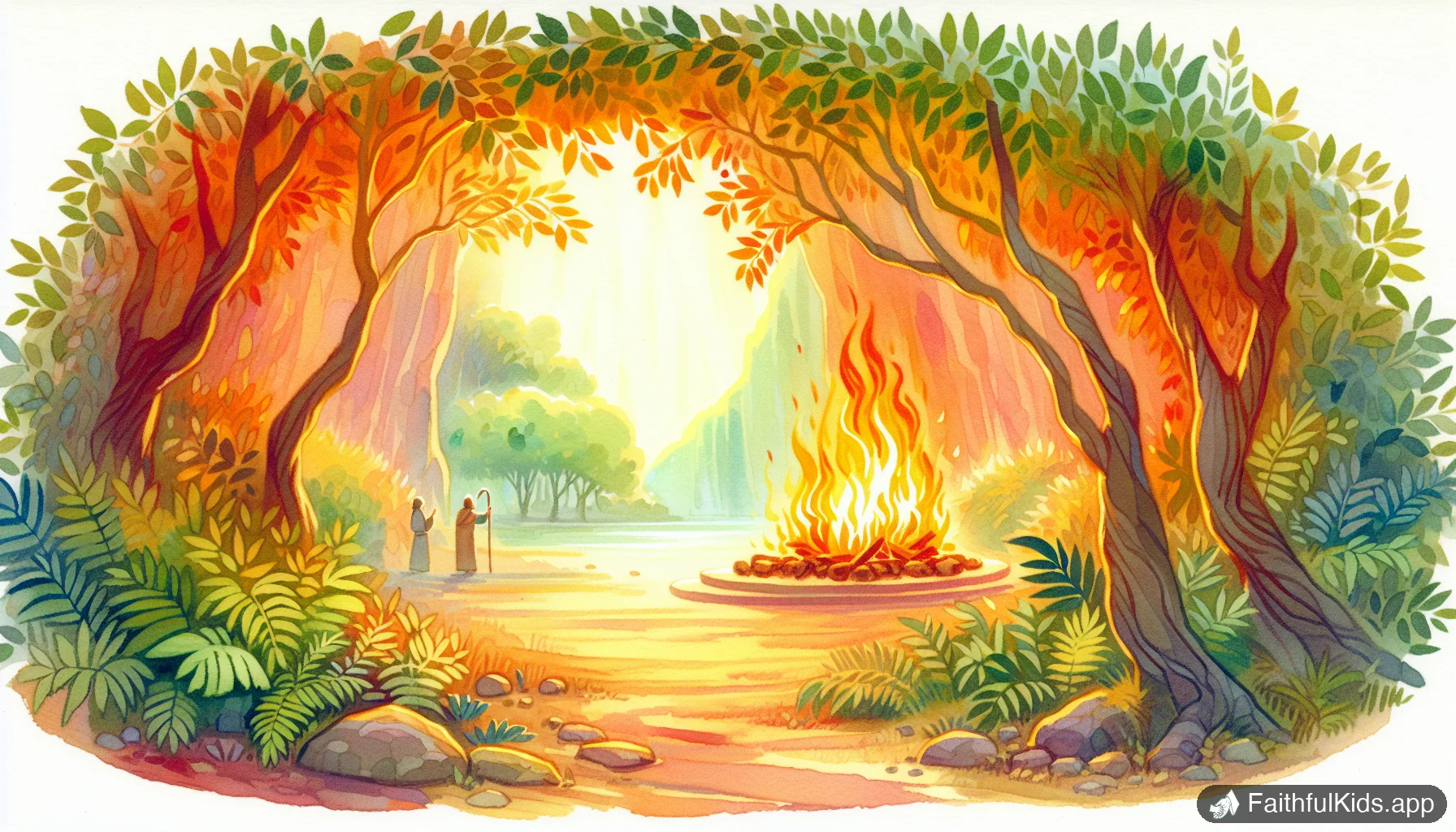
A bush engulfed in flames that does not burn up. Moses approaching with wonder and removing his sandals on holy ground. The contrast between the mundane (a desert, a shepherd, a bush) and the miraculous (unquenchable fire, God's voice) makes the burning bush visually unforgettable.
Why it works visually: The single, striking image of fire that does not consume captures a child's imagination immediately. It is mysterious and beautiful.
4. Crossing the Red Sea (Exodus 14)
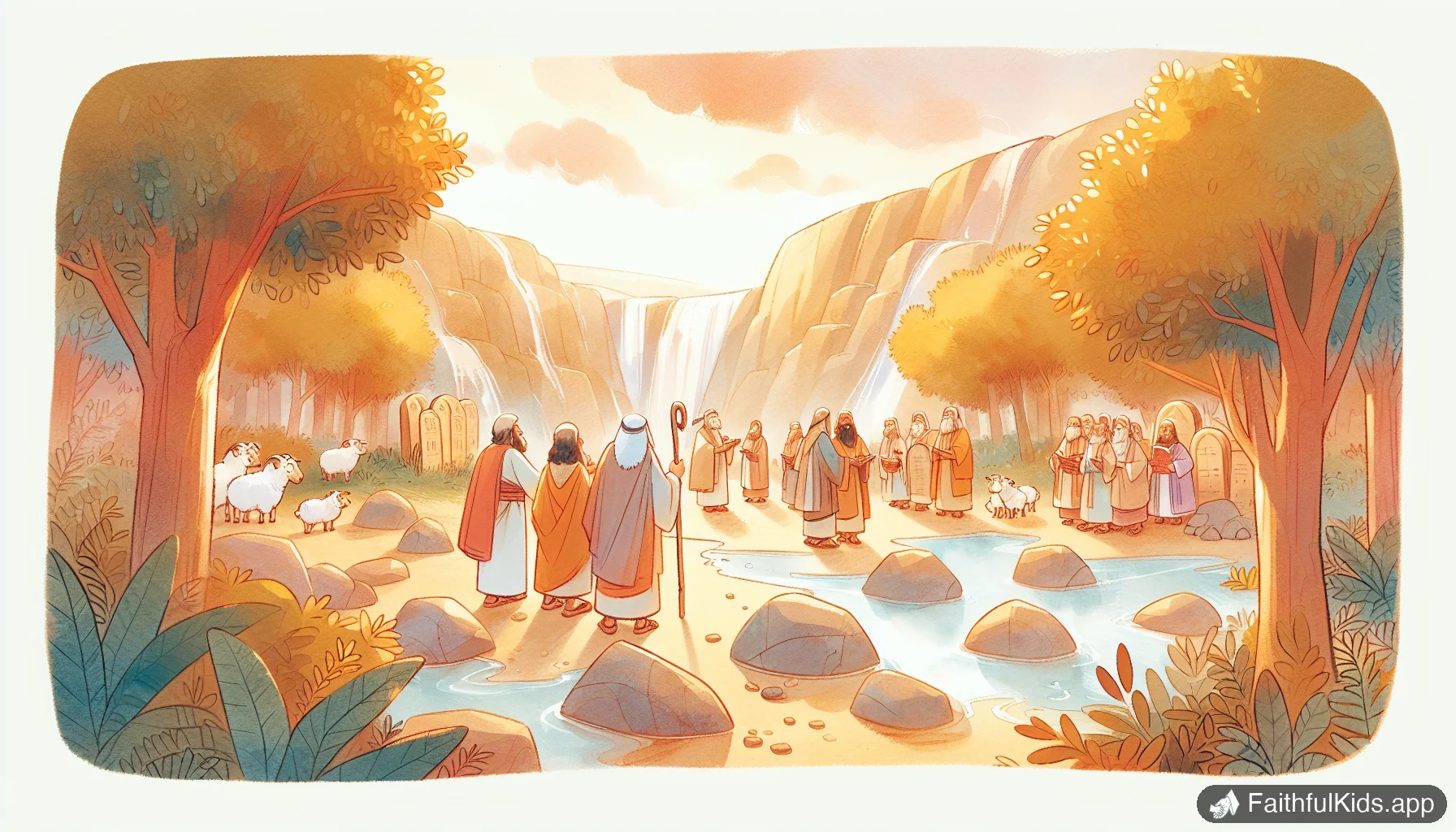
Two towering walls of water creating a canyon of dry ground. An entire nation walking between them. The Egyptian army in chariots charging behind. The waters crashing back together. This is the most cinematic moment in the Old Testament and one that film and animation have depicted countless times.
Why it works visually: The sheer scale of the miracle, walls of water higher than buildings, creates awe. Kids instinctively understand how terrifying and amazing this would have been.
5. David and Goliath (1 Samuel 17)
A tiny shepherd boy standing before a nine-foot warrior in bronze armor. A sling and a stone against a sword and a shield. The size contrast between David and Goliath is one of the most powerful visual metaphors in all of literature: the small defeating the large through faith.
Why it works visually: The dramatic size difference between David and Goliath is immediately graspable, even for very young children. It needs no explanation.
6. Daniel in the Lion's Den (Daniel 6)
Daniel standing serenely in a pit surrounded by lions whose mouths are supernaturally shut. An angel standing beside him. Light streaming in from above while the king peers down anxiously. The tension between danger and peace in this image is extraordinary.
Why it works visually: The juxtaposition of fierce animals and a calm, faithful man is visually compelling and emotionally powerful.
7. The Nativity (Luke 2, Matthew 1-2)
A humble stable. A young mother and her baby in a manger. Shepherds kneeling. A brilliant star overhead. Angels filling the sky. Wise men arriving with gifts. The Nativity is the most recognized visual scene in Western civilization, and for good reason: it is beautiful, intimate, and full of wonder.
Why it works visually: The warmth of the stable, the softness of the baby, the brightness of the star, and the diversity of visitors create a rich, layered scene.
8. Jesus Calms the Storm (Mark 4:35-41)
A small boat tossed on violent waves. Terrified disciples gripping the sides. Jesus standing calmly, hand raised, commanding the wind and waves to stop. The sudden contrast between chaos and total calm is breathtaking.
Why it works visually: The before-and-after of raging storm versus glass-smooth water dramatizes Jesus' power in a way kids can feel.
9. Jesus Walking on Water (Matthew 14:22-33)
A figure walking on the surface of a dark, churning sea at night. Peter stepping out of the boat, walking toward Jesus, then looking down at the waves and beginning to sink. Jesus reaching out His hand. This scene has movement, drama, and a deeply personal lesson about faith.
Why it works visually: The impossibility of walking on water grabs attention immediately. The image of Jesus' outstretched hand rescuing Peter is one of the most emotionally resonant images in the New Testament.
10. The Empty Tomb (Matthew 28, Luke 24, John 20)
A massive stone rolled away. An empty tomb with light pouring out. An angel sitting where Jesus' body had been. Mary Magdalene's expression of shock turning to joy. The visual simplicity of an empty space that should not be empty communicates the resurrection more powerfully than pages of explanation.
Why it works visually: Emptiness is the message. The stone is moved. The tomb is vacant. The wrappings are folded. The absence tells the greatest story ever told. See our kid-friendly version of the empty tomb.
Comparing Visual Bible Formats
Illustrated Children's Bibles
Best for: Ages 2-8
Strengths: Portable, tangible, beautiful artwork, child can hold and turn pages at their own pace, great for bedtime reading.
Limitations: Static images, limited to one illustration per story, no audio or movement.
Popular options include The Jesus Storybook Bible by Sally Lloyd-Jones, The Beginner's Bible, and The Action Bible for older kids.
Bible Coloring Books
Best for: Ages 3-10
Strengths: Hands-on engagement, multi-sensory (visual + tactile), kids personalize the story through color choices, inexpensive.
Limitations: Requires adult to tell the story alongside, no narrative built in, time-intensive.
We rounded up free printable Bible coloring pages for kids to get you started.
Bible Comics and Graphic Novels
Best for: Ages 8-14
Strengths: Sequential storytelling, appeals to reluctant readers, modern art styles, more detail than picture books.
Limitations: Some sacrifice accuracy for entertainment, limited options compared to other formats.
Animated Bible Videos
Best for: Ages 5-15
Strengths: Combines visual, auditory, and narrative elements. Characters move, speak, and emote. Music and sound design add emotional depth. Closest experience to "being there." Can cover an entire story in 5-10 minutes.
Limitations: Passive if watched without discussion or follow-up activities. Quality varies widely by producer.
The Best Approach: Combine Formats
The most effective visual Bible learning combines multiple formats. Watch an animated video of David and Goliath, then color a coloring page of the scene, then read the story in an illustrated Bible before bed. Each format reinforces the same story through a different sensory channel, building a multi-layered memory that lasts.
For quiet time afterwards, print the free Last Supper coloring page and let them color while you talk it through.
How to Choose the Right Visual Bible Tools
Consider your child's age. Toddlers and preschoolers need simple, large illustrations with minimal text. Elementary-age kids thrive with animated videos and detailed picture books. Pre-teens may prefer graphic novels and discussion-based video content.
Consider your child's learning style. Some kids are visual-spatial learners who absorb images naturally. Others are auditory learners who need narration alongside the pictures. Still others are kinesthetic learners who need to color, draw, or act out the scenes. Choose tools that match how your child learns best.
Prioritize accuracy. Not all visual Bible resources are created equal. Some take significant creative liberties with the text. Look for resources that stay faithful to the biblical narrative while making it accessible and engaging for children.
Make it interactive. The best visual learning is not passive. Ask questions during and after. "What do you think the disciples felt when the storm stopped?" "Why do you think God used a burning bush to talk to Moses?" Turn visual experiences into conversations. These Bible discussion questions for kids make it easy.
Watch on Faithful Kids
Faithful Kids combines the power of animated video with interactive quizzes and reflections to create the most engaging visual Bible learning experience for kids ages 7-15. Every story comes to life with movement, music, and narration, then reinforces what kids learned through questions and personal reflection.
Start your free trial at Faithful Kids
For the stories themselves, our Bible stories for kids library retells all 200 of them simply, with the video lesson beside each one.
Frequently Asked Questions
What age should kids start seeing Bible stories with pictures?
As early as possible. Even infants benefit from being shown picture books while a parent reads the story aloud. By age 2-3, children can engage with simple illustrated Bible stories. The key is choosing age-appropriate images: gentle for toddlers, more detailed for school-age kids.
Are animated Bible videos better than picture books?
They serve different purposes. Videos engage multiple senses simultaneously and are excellent for initial story exposure. Picture books allow kids to linger on images, ask questions at their own pace, and develop reading skills. The ideal approach uses both: watch the video, then explore the picture book.
How do I know if a visual Bible resource is doctrinally accurate?
Look for resources produced by established Christian publishers or ministries. Read reviews from other Christian parents. Compare key story details with the actual Bible text. Minor artistic interpretation is normal (we do not know what Moses looked like), but the core events and messages should align with Scripture.
My child is a reluctant reader. Will visual Bible tools help?
Absolutely. Visual formats remove the literacy barrier. A child who struggles with reading can still engage deeply with Bible stories through animation, illustrated books with minimal text, and coloring activities. As their confidence grows, they may become more willing to engage with text-based Bible study.