Ages 5+·7 min read··By Faithful Kids Team·Updated November 2, 2026
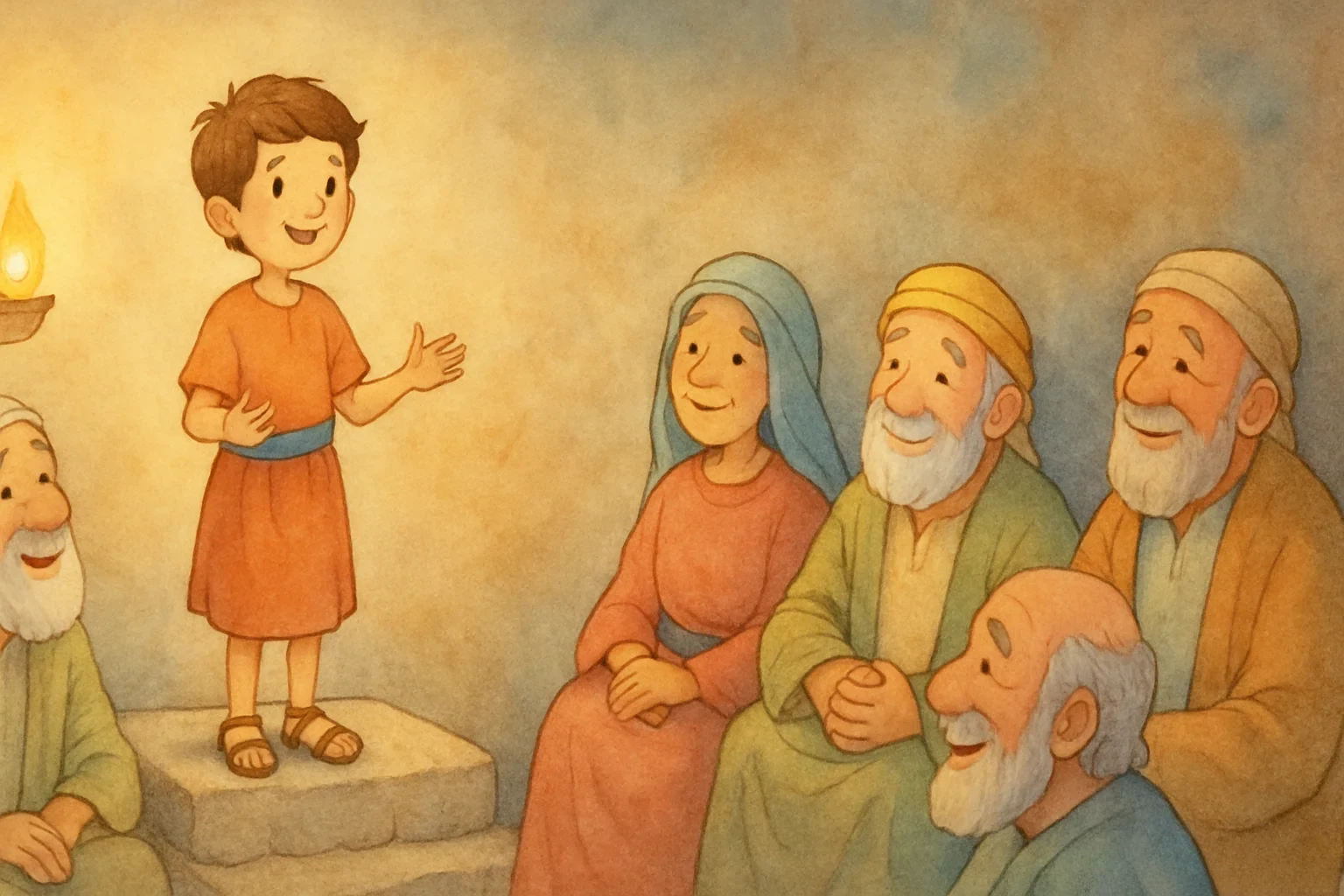
If there's one Bible character made for kids to meet, it's Timothy. He grew up in an ordinary town with a believing mom and grandma, joined Paul's team as a young man, got trusted with grown-up assignments while people still called him young, and received the Bible verse practically addressed to every kid: "Don't let anyone look down on you because you are young" (1 Timothy 4:12).
Two whole books of the Bible are letters written to him. That's how much he mattered.
A Faith From Home (Acts 16:1-3; 2 Timothy 1:5, 3:15)
Timothy came from Lystra, a town in what's now Turkey, the same town where Paul had been stoned and left for dead on his first journey (Acts 14:19). His father was Greek; his mother Eunice and grandmother Lois were Jewish believers.
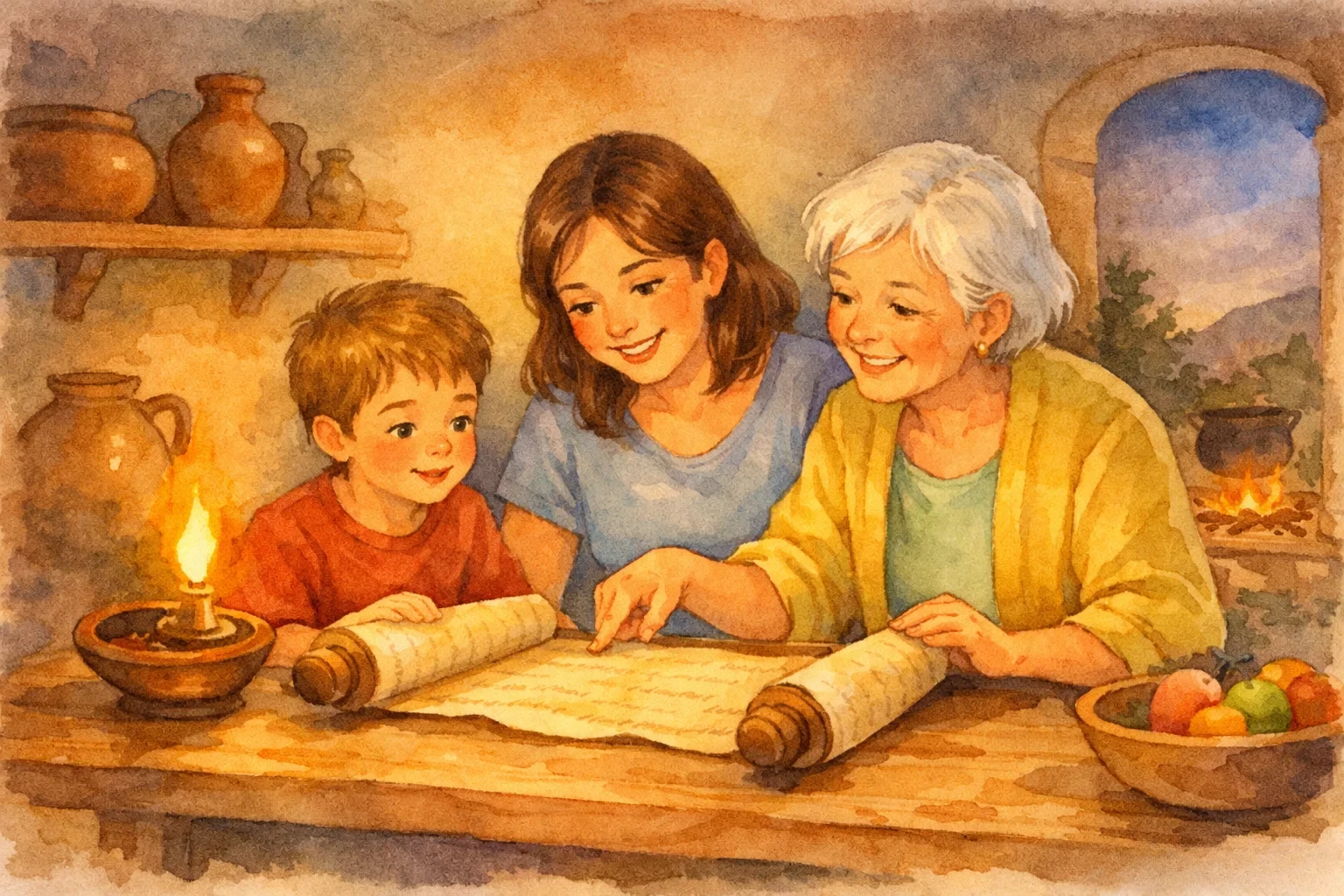
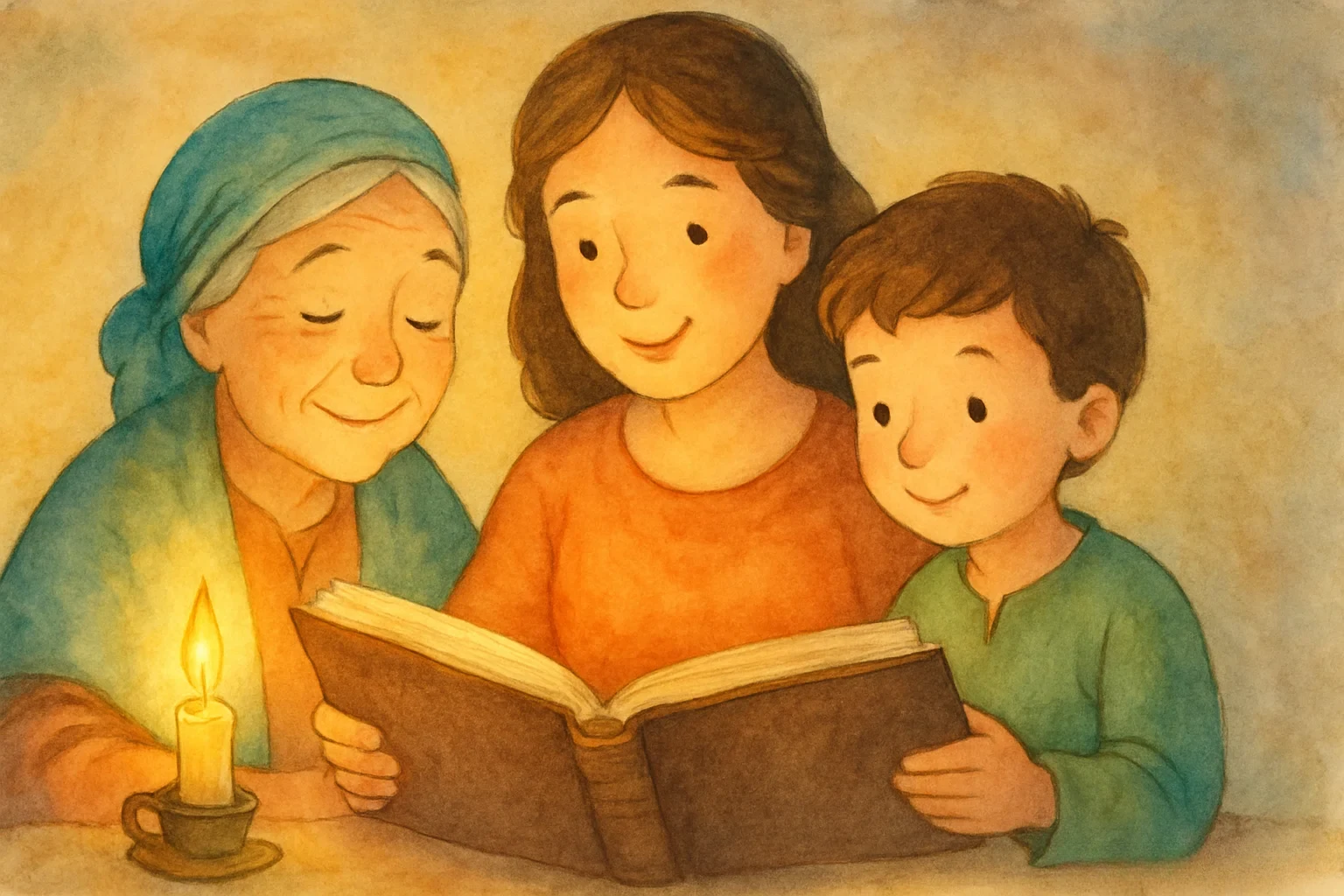
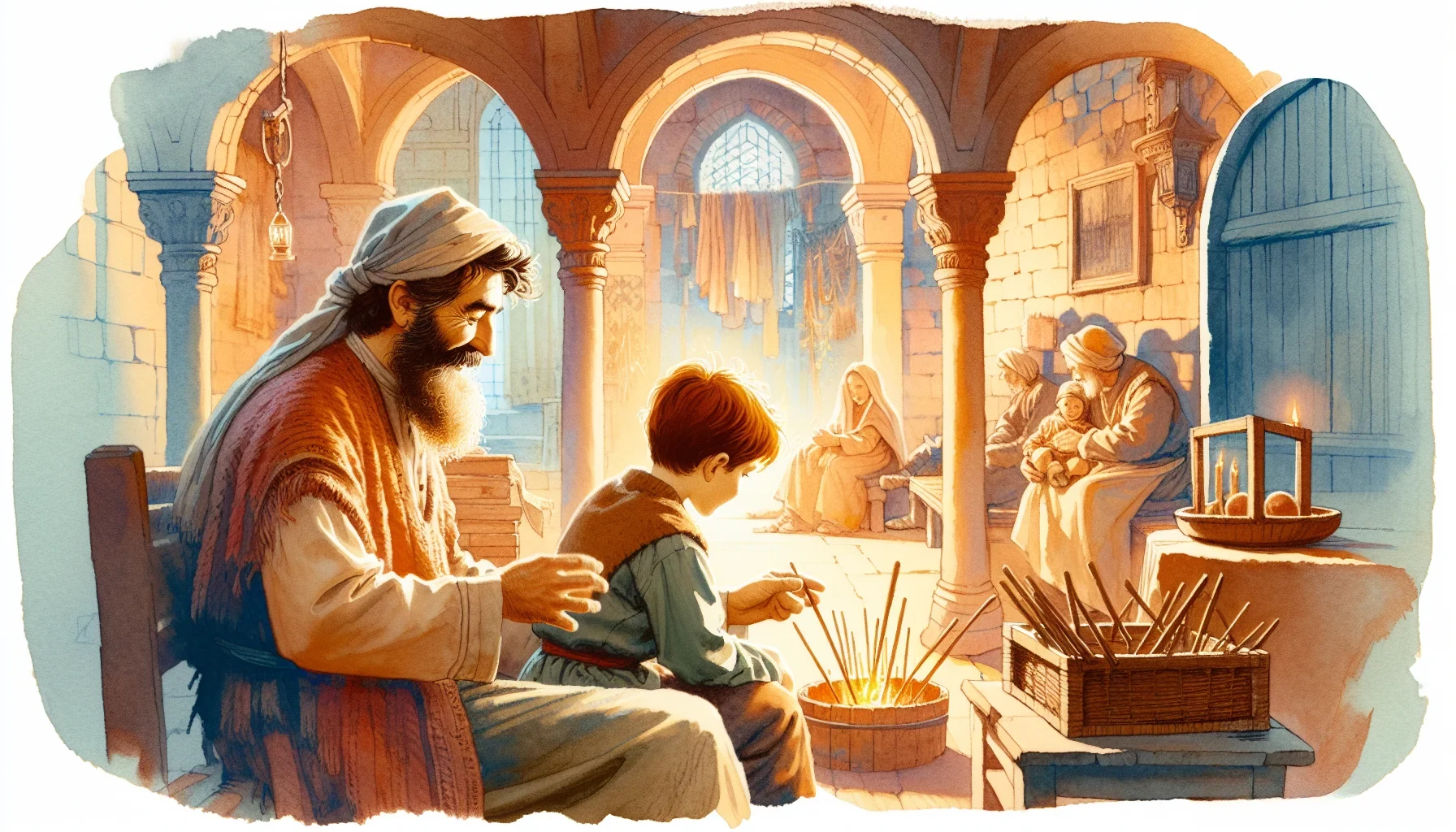
Paul later named exactly where Timothy's faith came from: "I am reminded of your sincere faith, which first lived in your grandmother Lois and in your mother Eunice and, I am persuaded, now lives in you also" (2 Timothy 1:5). And he added the detail parents love: "from infancy you have known the Holy Scriptures" (2 Timothy 3:15).
No famous father. No dramatic conversion story. A grandma, a mom, and the Scriptures from babyhood.
Key lesson for kids: Faith really does pass through families; bedtime Bible stories are how a Timothy gets made. And if someone is reading them with you, you're already in the middle of this exact story.
Joining the Team (Acts 16:1-5)
When Paul came back through Lystra on his second journey, the believers there kept telling him about young Timothy, "the believers at Lystra and Iconium spoke well of him" (Acts 16:2). Paul invited him to join the mission team.
Think about what Timothy said yes to. He knew what had happened to Paul in his own hometown; he'd likely seen the stoning's aftermath as a boy. He joined anyway, and walked straight into the adventure of Acts: the night the jailer in Philippi got saved (Paul and Silas in Prison), the riot in Thessalonica, Athens and Corinth, the long years in Ephesus. Trace the roads he traveled on our free map of Paul's missionary journeys.
Key lesson for kids: Timothy's reputation recruited him; the neighbors "spoke well of him" before Paul ever asked. The way you act now is quietly writing the recommendation letter for your future.
Paul's Most Trusted Messenger (Philippians 2:19-22)
Timothy became the person Paul sent when a church needed help and Paul couldn't come, to Thessalonica, to Corinth, to Philippi, and finally to lead the big, complicated church in Ephesus. He's named as co-sender in six of Paul's letters.
Paul's reference letter for him, written to the Philippians, is the kind any kid should aim to earn: "I have no one else like him, who will show genuine concern for your welfare... as a son with his father he has served with me in the work of the gospel" (Philippians 2:20-22).
Key lesson for kids: Timothy's gift wasn't loudness; Paul praised him for genuinely caring about people's welfare. Reliability plus real concern for others is a rarer combination than talent, and it's one any kid can start building today.
See what they get
Watch a Real Lesson From the App
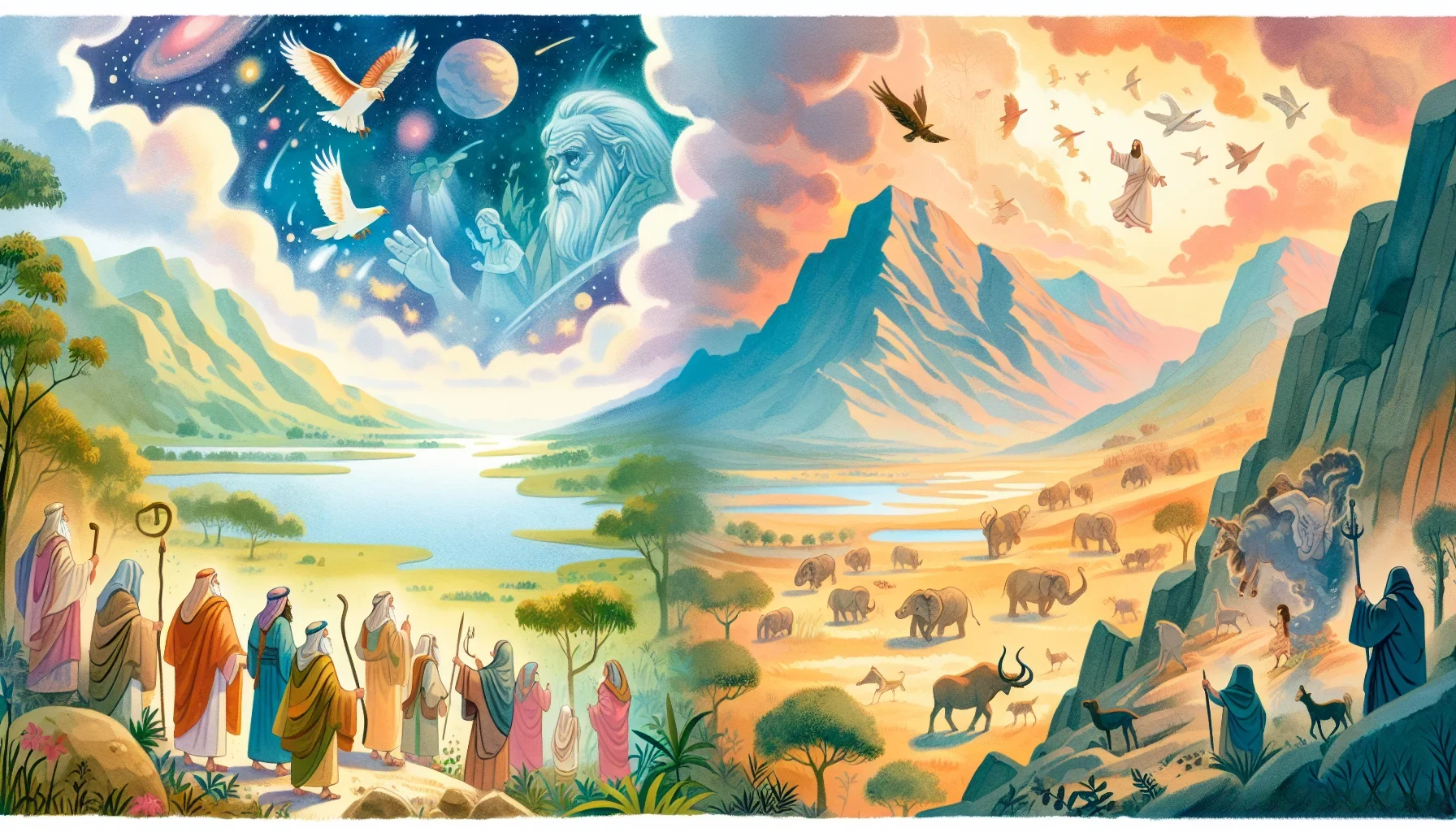
Press play on In the Beginning Creation, a complete lesson exactly as your child sees it. 300+ episodes cover the whole Bible in order, each ending in a fun quiz to check what they learned.
A real lesson from the app, watch the whole thing free.
"Don't Let Anyone Look Down on You" (1 and 2 Timothy)
The two letters Paul wrote Timothy are full of a mentor's affection, "my true son in the faith" (1 Timothy 1:2) and of coaching for a young leader who seems to have been gentle, sometimes timid, and even dealing with a nervous stomach (1 Timothy 5:23).
The most famous coaching is this: "Don't let anyone look down on you because you are young, but set an example for the believers in speech, in conduct, in love, in faith and in purity" (1 Timothy 4:12). Notice the strategy, the answer to being underestimated isn't arguing; it's living in a way that settles the question.
And near the end of his life, from prison, Paul wrote Timothy the words that became his spiritual last will: "Fan into flame the gift of God... for the Spirit God gave us does not make us timid, but gives us power, love and self-discipline" (2 Timothy 1:6-7).
Key lesson for kids: You don't have to wait to be older to set the example, in how you talk, how you act, how you love, what you believe, and what you keep pure. That's a five-part checklist a ten-year-old can start on this week.
🕯️ Free: 25 Days of Advent Bible Readings
December 1 to 25, one short reading a night, from the first promise to the manger. Printable for the fridge.
Free printable + a few helpful emails. Unsubscribe anytime.
Why Timothy Matters
He's proof that kids raised on Scripture become adults God uses. Lois to Eunice to Timothy, three generations, one sincere faith.
Two Bible books carry his name, the letters that still train pastors and leaders today were coaching notes to him.
He shows that timid people can lead. Paul never pretended Timothy was fearless; he reminded him the Spirit supplies the courage (2 Timothy 1:7).
He completed the chain: Paul poured into Timothy and told him to pass it on, "the things you have heard me say... entrust to reliable people who will also be qualified to teach others" (2 Timothy 2:2). That relay is how the faith reached you. Quiz his era with our Acts Bible trivia, and meet his mentor in Who Was Paul?
Watch on Faithful Kids
Your kids can watch the adventures Timothy lived through, Philippi's jail, the journeys, the young churches, in short animated episodes on Faithful Kids, about two minutes each with a quiz and reflection after every story.
He was likely in his late teens or early twenties when he joined Paul around AD 49, and probably in his thirties when Paul wrote "don't let anyone look down on you because you are young" (1 Timothy 4:12), in that culture, "young" for a leader stretched further than it does now. The principle Paul gave him doesn't depend on exact numbers: credibility comes from example, not age.
What are 1 and 2 Timothy about?
They're "pastoral letters", a veteran missionary coaching his younger colleague on leading the church in Ephesus: sound teaching, choosing good leaders, handling money and conflict, and staying personally faithful. 2 Timothy is also Paul's farewell, written from prison near the end of his life, which gives its charges, "preach the word," "fight the good fight," "fan into flame the gift", their famous urgency.
Was Timothy's father a believer?
The Bible only says he "was a Greek" (Acts 16:1), with no mention of faith, and the fact that Timothy hadn't been circumcised as a child suggests his father didn't follow Jewish practice. Timothy's spiritual upbringing is credited entirely to his mother and grandmother (2 Timothy 1:5), which makes his story a real encouragement for homes where one parent carries the faith.
What happened to Timothy in the end?
The New Testament's last word about him is a happy one: "our brother Timothy has been released" from prison (Hebrews 13:23), he, too, eventually suffered for the faith. Early tradition says he went on to lead the church in Ephesus for many years and died there as a martyr in old age. The timid young man from Lystra finished the course his mentor described: "I have fought the good fight, I have finished the race, I have kept the faith" (2 Timothy 4:7).
🕯️ Free: 25 Days of Advent Bible Readings
December 1 to 25, one short reading a night, from the first promise to the manger. Printable for the fridge.
Free printable + a few helpful emails. Unsubscribe anytime.