“Don’t judge, so that you won’t be judged. For with whatever judgment you judge, you will be judged; and with whatever measure you measure, it will be measured to you.”
“Why do you see the speck that is in your brother’s eye, but don’t consider the beam that is in your own eye?”
“But the LORD said to Samuel, ‘Don’t look on his face, or on the height of his stature, because I have rejected him; for I don’t see as man sees. For man looks at the outward appearance, but the LORD looks at the heart.’”
“Don’t judge according to appearance, but judge righteous judgment.”
“Don’t judge, and you won’t be judged. Don’t condemn, and you won’t be condemned. Set free, and you will be set free.”
“My brothers, don’t hold the faith of our glorious Lord Jesus Christ with partiality.”
Talk about it (older kids)
Jesus talked about a log in your own eye. What is he trying to help us see?
What the Bible says about judging others
Look at yourself first
The speck and the beam (Matthew 7:3-5) teach that we usually see others' faults more clearly than our own.
God sees the heart
When Samuel judged David's brothers by their looks, God said: "man looks at the outward appearance, but the LORD looks at the heart" (1 Samuel 16:7).
No favorites
James 2:1 warns against treating people better because of how they look or what they own.
Help gently instead
Galatians 6:1 says when someone does wrong, help them back gently, remembering we can make mistakes too.
A note for parents
"Don't judge" is one of the most quoted lines in the Bible, and children pick up on it quickly, often to use on a sibling. It helps to explain what Jesus meant. He was warning against a harsh, superior attitude: deciding someone is worse than us, especially when we have the same faults. His picture of a person with a beam in their own eye trying to remove a speck from a friend's is meant to make us smile, and then think.
The Bible does not say we can never tell right from wrong. John 7:24 says to judge fairly rather than by appearances. The difference for a child is this: we can say "that was unkind," but we do not decide "that person is bad" or "they are not as good as me." God is the only one who sees the whole heart.
12 Bible verses about judging others, explained simply
Each verse is the World English Bible wording, with a one-line meaning you can read to a child.
“Don’t judge, so that you won’t be judged. For with whatever judgment you judge, you will be judged; and with whatever measure you measure, it will be measured to you.” Matthew 7:1-2
Do not judge, because we will be treated the way we treat others.
“Why do you see the speck that is in your brother’s eye, but don’t consider the beam that is in your own eye?” Matthew 7:3
Check for the big log in your own eye before the speck in someone else's.
“But the LORD said to Samuel, ‘Don’t look on his face, or on the height of his stature, because I have rejected him; for I don’t see as man sees. For man looks at the outward appearance, but the LORD looks at the heart.’” 1 Samuel 16:7
God looks at the heart, not at how someone looks.
“Don’t judge according to appearance, but judge righteous judgment.” John 7:24
Do not judge by appearances.
“Don’t judge, and you won’t be judged. Don’t condemn, and you won’t be condemned. Set free, and you will be set free.” Luke 6:37
Do not judge, do not condemn, and forgive.
“My brothers, don’t hold the faith of our glorious Lord Jesus Christ with partiality.” James 2:1
Do not treat some people better than others.
“Therefore let’s not judge one another any more, but judge this rather, that no man put a stumbling block in his brother’s way, or an occasion for falling.” Romans 14:13
Stop judging each other and help each other instead.
“Only one is the lawgiver, who is able to save and to destroy. But who are you to judge another?” James 4:12
Only God is the judge, so who are we to judge?
“Therefore accept one another, even as Christ also accepted you, to the glory of God.” Romans 15:7
Welcome others, just as Jesus welcomed you.
“Brothers, even if a man is caught in some fault, you who are spiritual must restore such a one in a spirit of gentleness, looking to yourself so that you also aren’t tempted.” Galatians 6:1
Help someone who made a mistake, gently.
“But when they continued asking him, he looked up and said to them, ‘He who is without sin among you, let him throw the first stone at her.’” John 8:7
Jesus reminded people that nobody is perfect.
“Therefore you are without excuse, O man, whoever you are who judge. For in that which you judge another, you condemn yourself. For you who judge practice the same things.” Romans 2:1
When we judge others, we often do the same things.
How to talk with your child about judging others
- Little kids (5 to 7)
- Have you ever thought someone was mean before you knew them? What happened when you got to know them?
- Older kids (8 to 12)
- Jesus talked about a log in your own eye. What is he trying to help us see?
- Teens (13 to 15)
- What is the difference between saying something is wrong and judging a person? Where do people get that wrong?
Try this at home
- Act out the speck and the log with a toothpick and a cardboard tube. Children remember the joke, and the lesson with it.
- When a child complains about someone, ask "What might be going on for them?" before deciding what to do.
- Read 1 Samuel 16 and talk about how David's family overlooked him. Who might people overlook at school?
Bible stories about judging others to read together
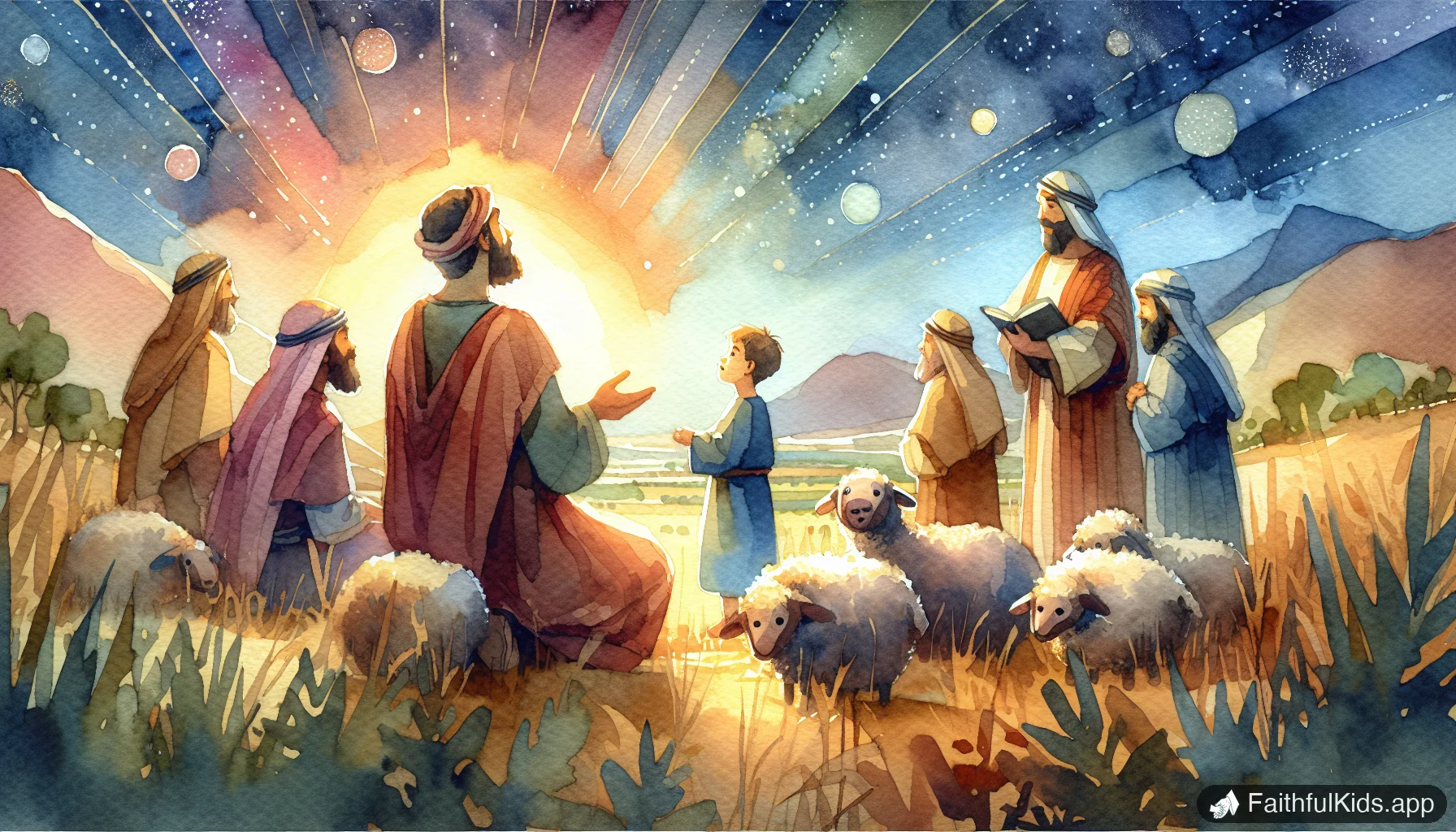 God Chooses DavidSamuel learns that God looks at the heart, not the outside.
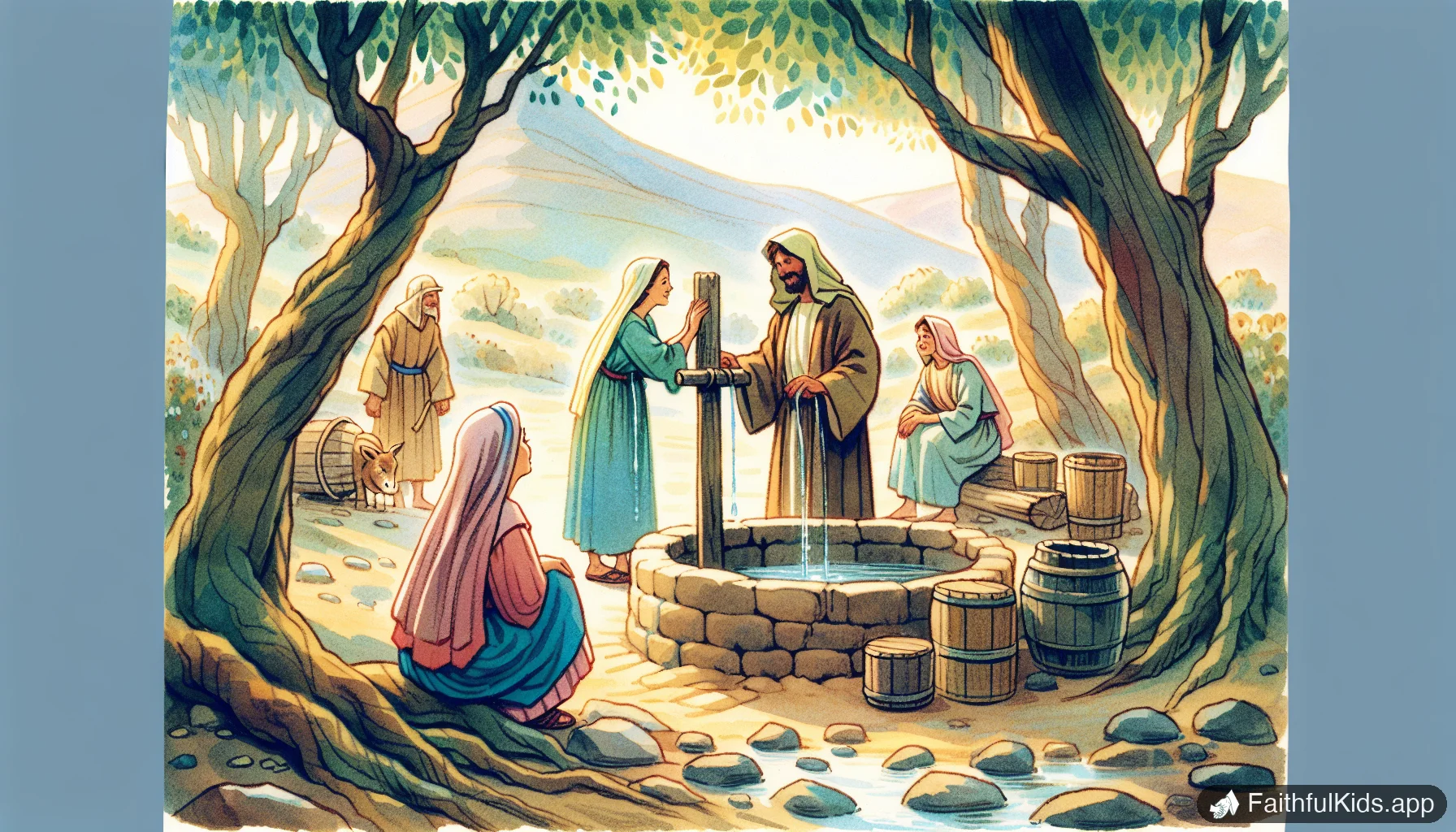 The Woman at the WellJesus talks kindly with a woman others avoided.
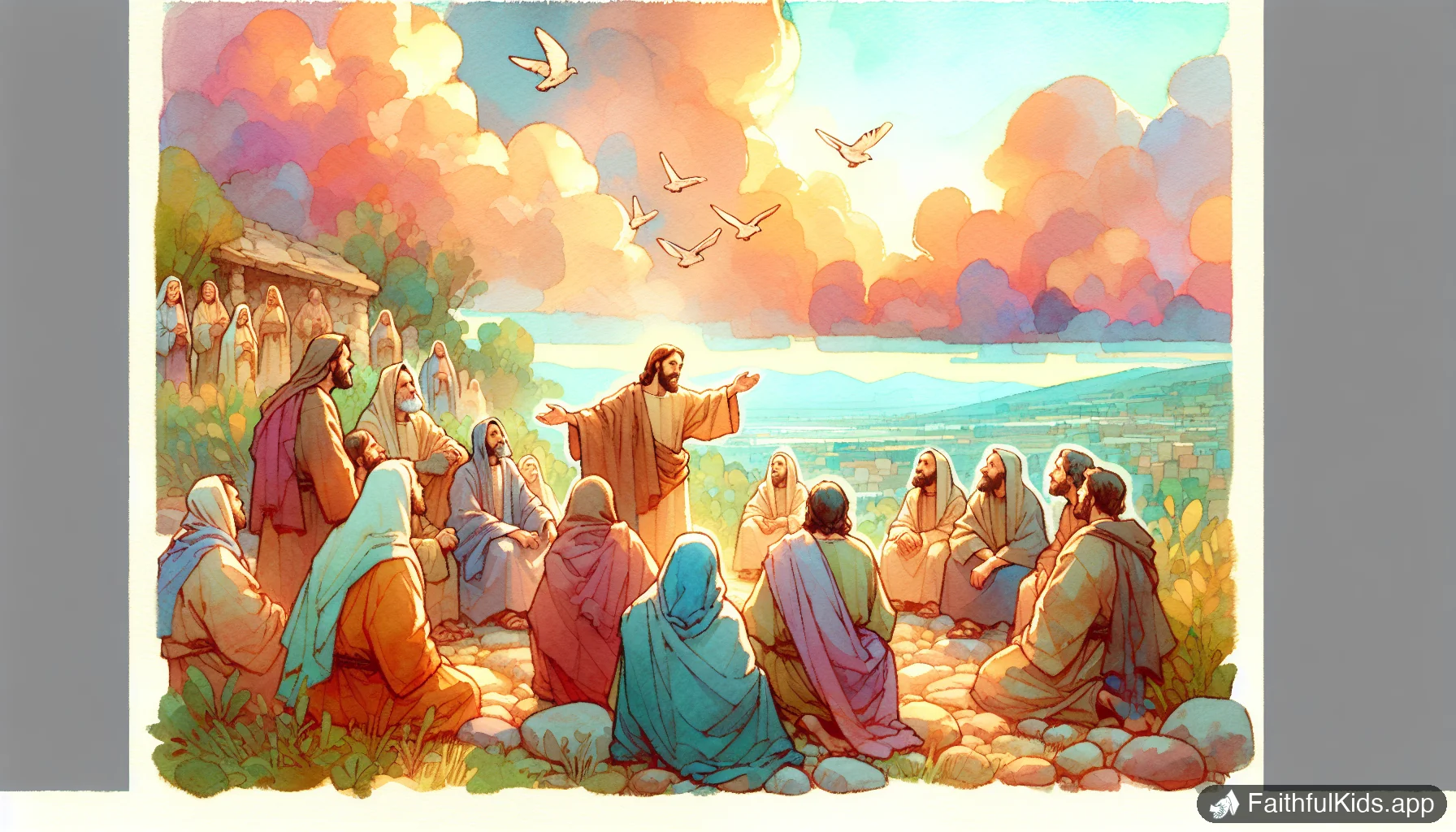 Matthew the Tax CollectorJesus chooses someone everyone else had written off.
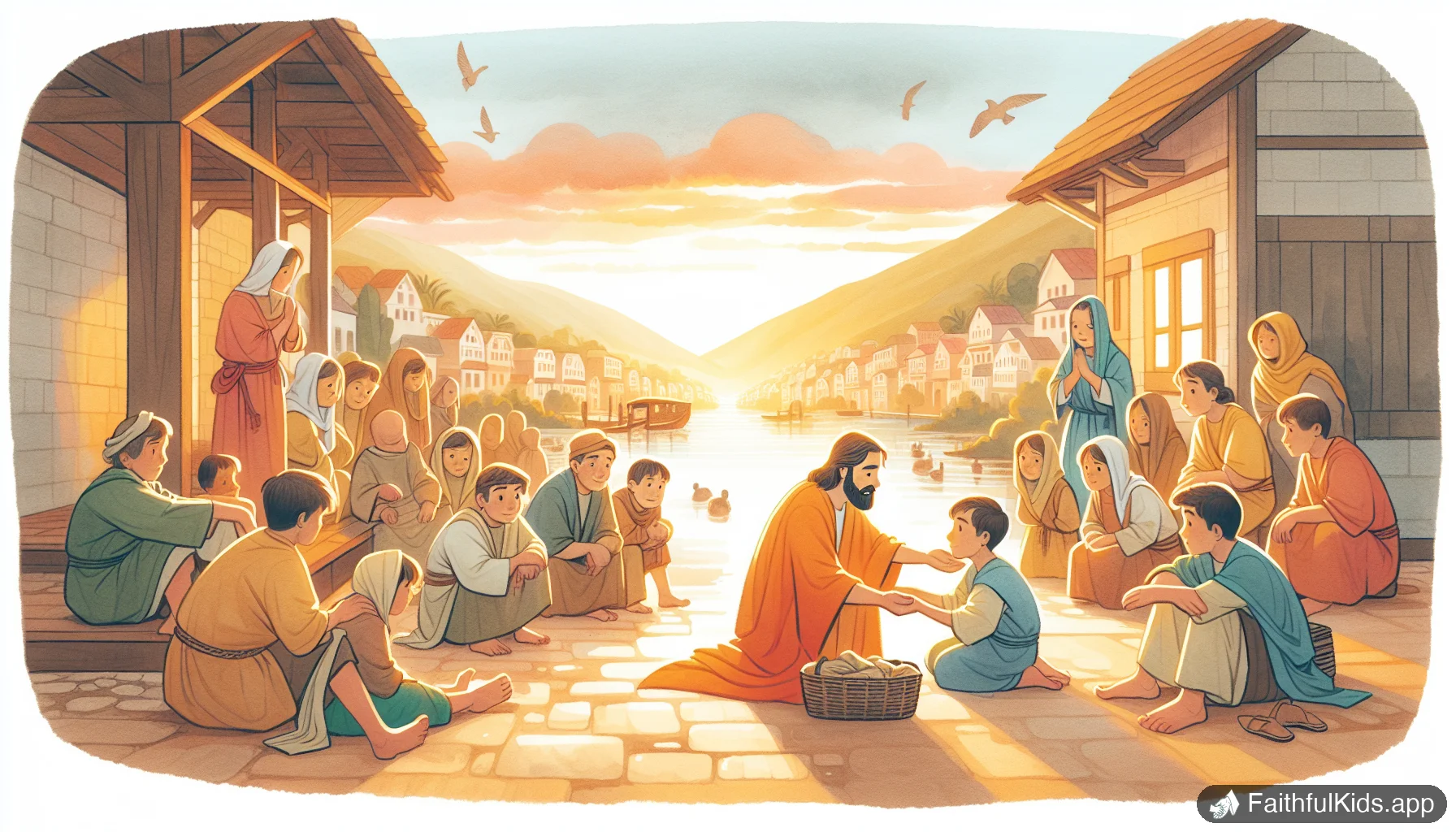 The Good SamaritanThe hero is the person the listeners expected to be the villain.
A short prayer about judging others
Dear God, help me to see people the way you see them. When I want to judge someone, remind me to look at my own heart first and to be kind. Amen.
Questions parents ask about judging others
What did Jesus mean by "judge not"?
In Matthew 7:1-5 Jesus warns against judging others harshly or hypocritically, especially when we have faults of our own. He was not saying right and wrong do not matter; he went on to say "first remove the beam out of your own eye, and then you can see clearly" to help someone else.
Is it wrong to say something is wrong?
No. The Bible tells us to "judge righteous judgment" (John 7:24), meaning fairly and not by appearances. Saying an action is unkind or unfair is different from deciding a person is worthless or looking down on them.
How do I teach my child not to judge others?
Use the speck and the log as a picture they will remember, and model curiosity: "I wonder why they did that?" Point out times people in the Bible were wrong about someone, like Samuel with David, and praise your child when they give someone a second chance.
Keep reading
- 9 Bible Stories About Humility for Kids
- 8 Bible Stories About Compassion for Kids
- The Sermon on the Mount: Bible Story for Kids