
Apologetics for kids · 33 questions
Is It True? Honest Answers to the Big Bible Questions Kids Ask
When your child asks “Is God real?” or “Was Noah’s ark real?”, you do not need a theology degree. Each guide gives a short answer you can repeat, what history can and cannot show, and words for ages 5 to 15.
Apologetics for kids means answering children’s honest questions about God and the Bible with simple, truthful reasons. These 33 parent guides answer the questions kids ask most, from “Is the Bible true?” to “Was Goliath real?”, with sourced history, the views faithful Christians hold, and scripts for every age.
Where Christians differ, on the days of creation or the size of the flood, we explain each view fairly so you can share what your church teaches. Our statement of faith says more about that approach.
Questions About God and Jesus
Who God is, who Jesus is, and what history says about his life.

Is God Real?
Christians believe the answer is yes: God is real, he made everything, and he loves your child by name. The Bible says we can see signs of him in the world he made, and Christians believe we see him most clearly in Jesus.
Read the full answer →
Is Jesus God?
Yes. Christians believe Jesus is God the Son, who became a human being without ever stopping being God. There is one God, and he exists as Father, Son and Holy Spirit; Jesus is the Son.
Read the full answer →
Was Jesus a Real Person?
Yes. Almost every historian who studies the ancient world, Christian or not, agrees that a Jewish teacher named Jesus lived in Galilee in the first century and was crucified in Jerusalem under the Roman governor Pontius Pilate.
Read the full answer →
Was Jesus Jewish?
Yes. Jesus was Jewish: he was born to a Jewish mother, raised in a Jewish home in Nazareth, kept the Jewish festivals, prayed in synagogues and was called "Rabbi," which means teacher. Historians and Christians agree on this completely.
Read the full answer →
Did Jesus Have Brothers and Sisters?
The Bible names four "brothers" of Jesus (James, Joseph or Joses, Judas and Simon) and says he had "sisters" too (Mark 6:3, Matthew 13:55-56). Christians agree on that. Where they differ is on what kind of brothers and sisters these were.
Read the full answer →
What Did Jesus Look Like?
Nobody knows exactly, because the Bible never describes his face, his height or his hair.
Read the full answer →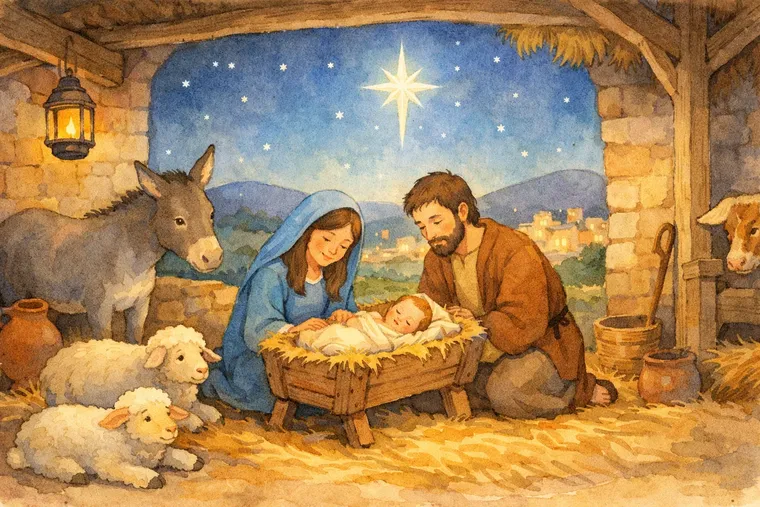
When Was Jesus Born?
Most historians place Jesus's birth around 6 to 4 BC, a few years before King Herod the Great died. The Bible does not give the day or the month, so nobody knows his exact birthday.
Read the full answer →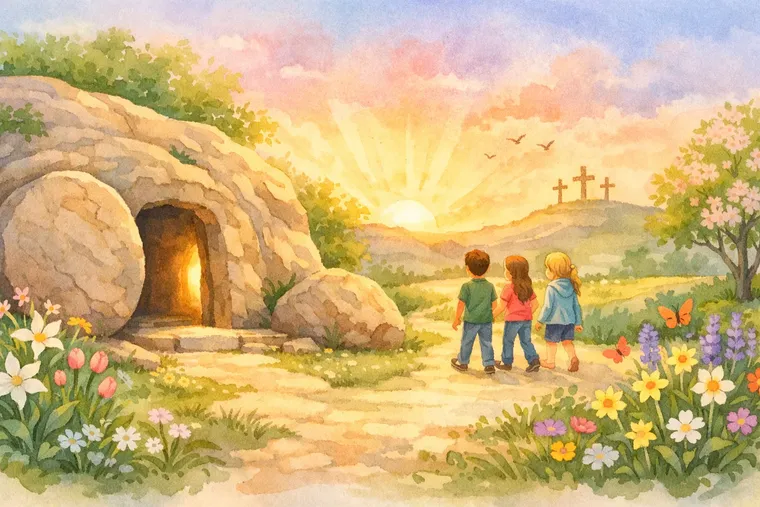
Did Jesus Rise From the Dead?
Christians believe he really did. Three days after he died on the cross, his tomb was found empty, and over the following weeks his friends saw him alive, talked with him and ate with him (Luke 24:36-43).
Read the full answer →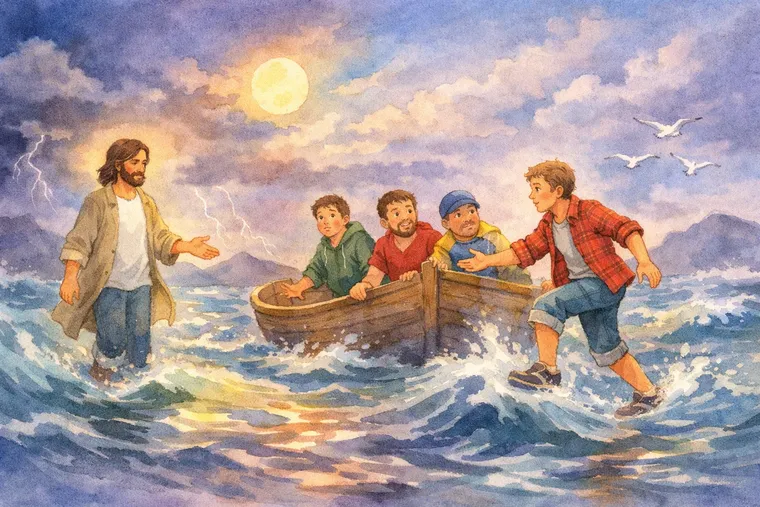
Did Jesus Really Walk on Water?
Christians believe he did. Three of the four Gospels tell the story (Matthew 14:22-33, Mark 6:45-52, John 6:16-21), and Christians understand it as a miracle: Jesus, the Son of God, doing something only God could do, to show his frightened friends who he was.
Read the full answer →Questions About the Bible and Faith
Where the Bible came from, why Christians trust it, and the hopeful things it promises.

Is the Bible True?
Christians believe it is, because the Bible is the inspired Word of God and is trustworthy in everything it teaches (2 Timothy 3:16).
Read the full answer →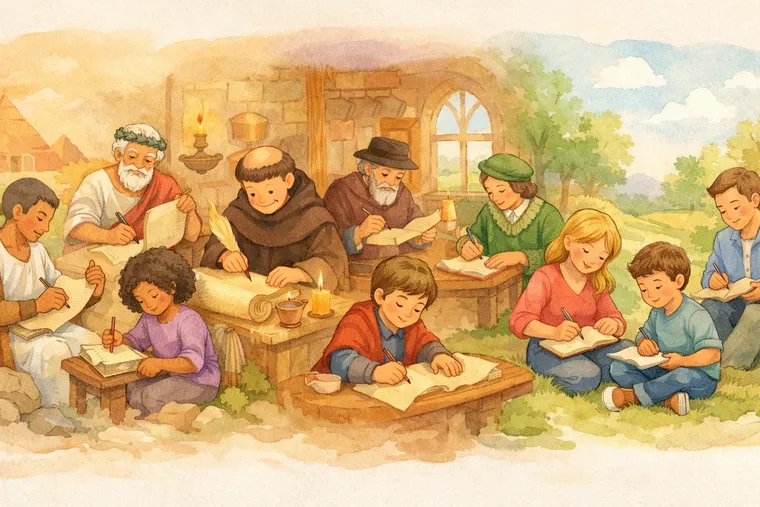
Who Wrote the Bible?
Many different people did, over many centuries, and Christians believe God inspired every one of them. A common estimate is about 40 human writers across roughly 1,500 years, including kings, shepherds, prophets, fishermen, a tax collector and a doctor.
Read the full answer →
Are Miracles Real?
Christians believe they are. A miracle is God doing something in the world that nature could not do on its own, like Jesus healing a blind man or rising from the dead, and Christians believe God, who made the world, is free to act in it.
Read the full answer →
Is Heaven Real?
Christians believe it is, because Jesus himself promised it. He told his friends, "My Father's house has many rooms," and said he was going to prepare a place for them, so that they could be with him (John 14:2-3, NIV).
Read the full answer →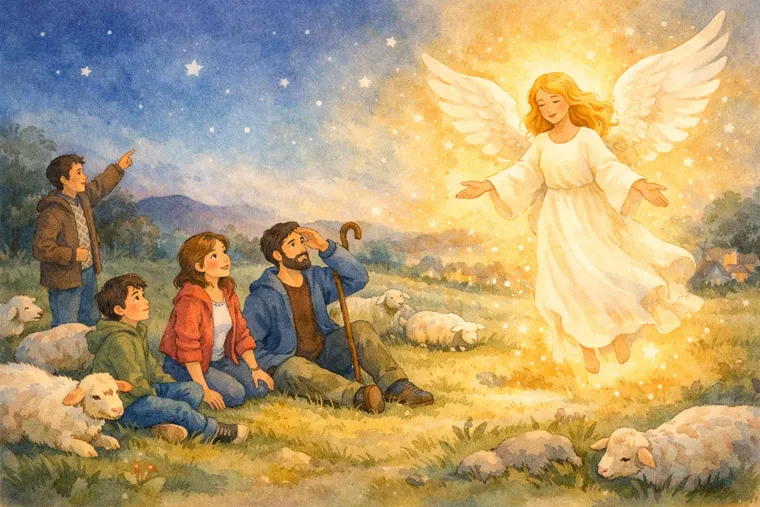
Are Angels Real?
Christians believe they are: spirit beings God created to be his messengers and helpers. The Bible mentions angels from Genesis to Revelation, and Jesus himself spoke about them (Matthew 18:10).
Read the full answer →Questions About Creation and the First Stories
Genesis 1-11: creation, the garden, the flood and Babel, and how Christians read them.

Is the Creation Story True?
Christians believe it is: God made everything that exists, he made it good, and he made people in his own image (Genesis 1-2). That is the heart of Genesis 1, and it is something every Christian tradition holds in common.
Read the full answer →
Were Adam and Eve Real?
Christians have historically believed they were real people, the first man and woman God made, because the Bible presents them that way and Jesus and Paul both spoke of them as real (Matthew 19:4-5; Romans 5:12-19).
Read the full answer →
Where Is the Garden of Eden?
Nobody knows its exact location today. Genesis places it "in the east" and names four rivers that flowed from it, two of which, the Tigris and the Euphrates, still run through modern Iraq, Syria and Turkey (Genesis 2:8-14).
Read the full answer →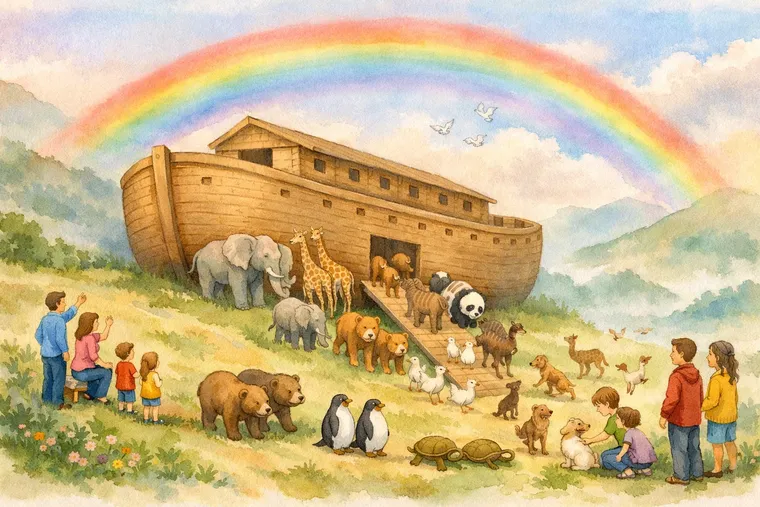
Is Noah's Ark Real?
Christians believe the story of Noah's ark is true because it is part of God's Word, and Jesus himself spoke of Noah as a real man (Matthew 24:37-39).
Read the full answer →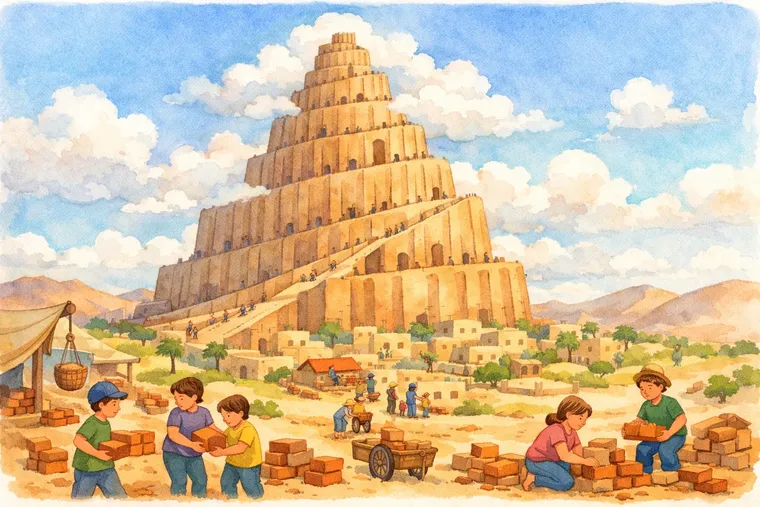
Was the Tower of Babel Real?
Christians believe the story of the Tower of Babel is true because it is part of God's Word, and it is set in a real place: the plain of Shinar, the land of ancient Babylon (Genesis 11:2).
Read the full answer →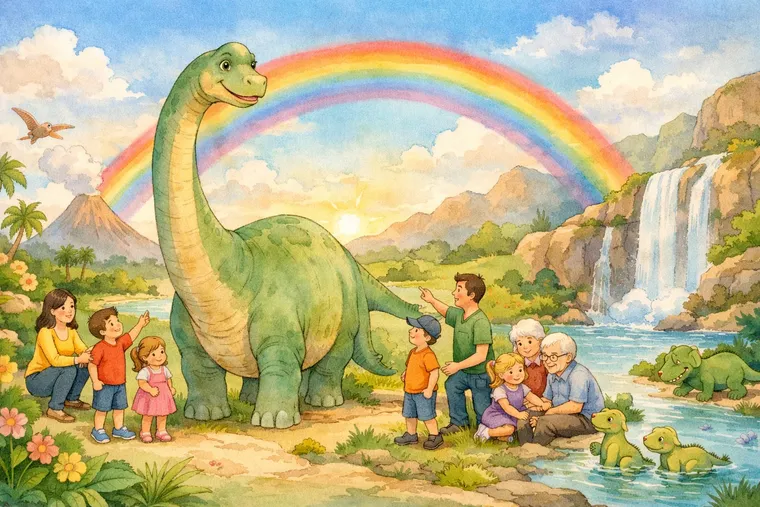
Are Dinosaurs in the Bible?
The word "dinosaur" is not, because the word did not exist until 1842, long after the Bible was written and translated.
Read the full answer →Questions About Old Testament Heroes
Abraham, Moses, David and the rest: what the Bible says and what archaeology has found.
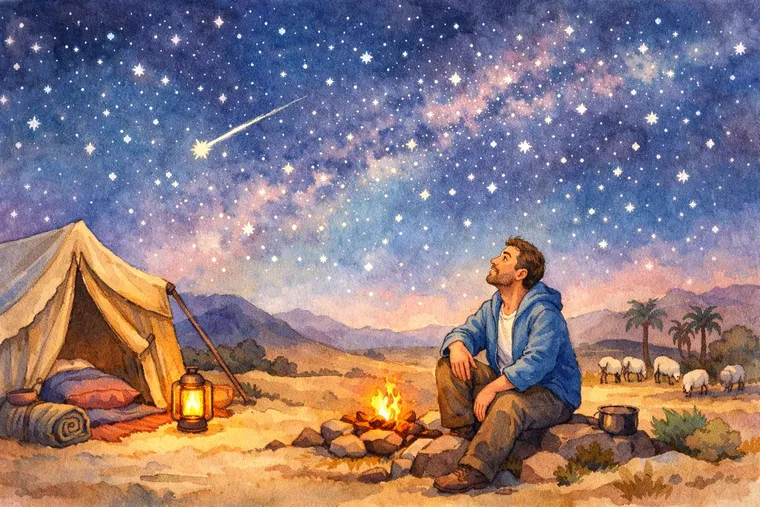
Was Abraham Real?
Christians believe Abraham was a real person, because the Bible tells his life as history and Jesus himself spoke of Abraham as a real man (John 8:56-58).
Read the full answer →
Was Moses Real?
Christians believe Moses was a real person, because the Bible tells his story as history and Jesus himself spoke of Moses as a real man who wrote about him (John 5:46).
Read the full answer →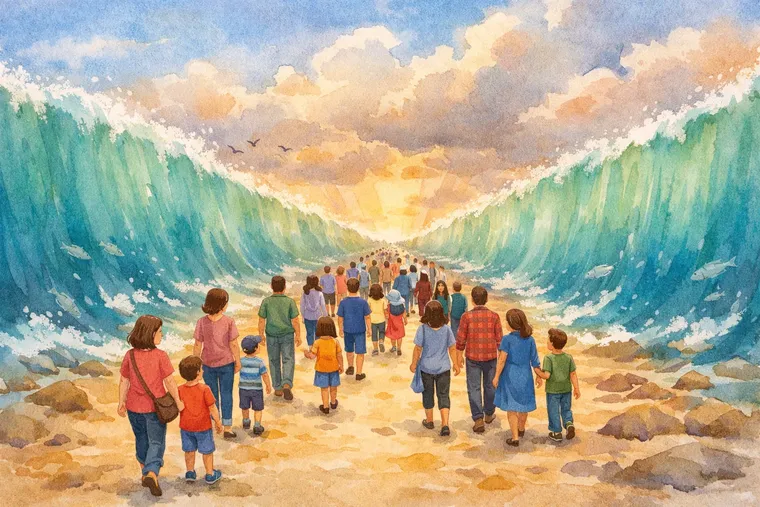
Did Moses Really Part the Red Sea?
The Bible says God parted the sea: Moses stretched out his hand, and "all that night the Lord drove the sea back with a strong east wind and turned it into dry land" (Exodus 14:21, NIV).
Read the full answer →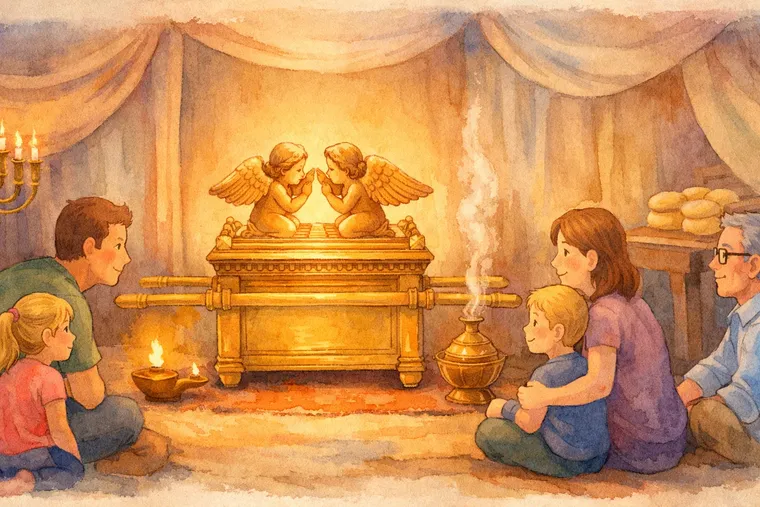
Where Is the Ark of the Covenant?
The honest answer is that nobody knows. The Bible's last clear mention of it comes in the time of King Josiah (2 Chronicles 35:3), and after the Babylonians captured Jerusalem in 587 or 586 BC, it disappears from the record.
Read the full answer →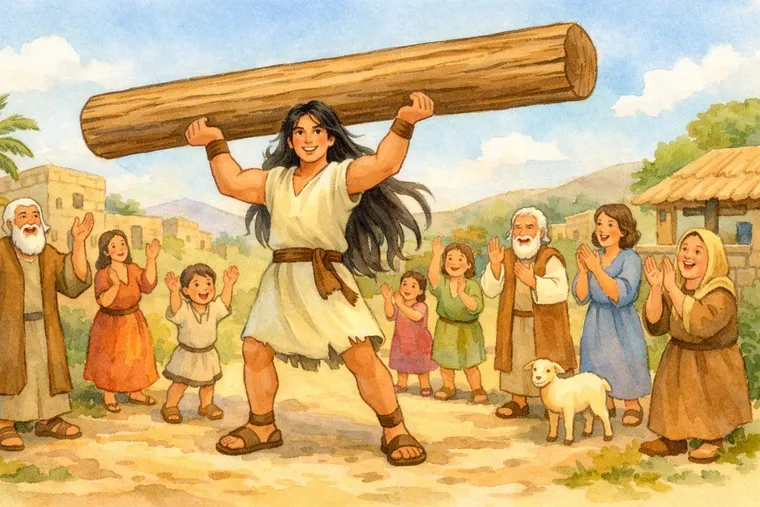
Was Samson Real?
Christians believe Samson was a real person, because the Bible tells his story as part of Israel's history in the book of Judges, and the New Testament lists him among the heroes of faith (Hebrews 11:32).
Read the full answer →
Was King David Real?
Christians believe King David was a real person, because the Bible tells his life as history and Jesus himself was called the "Son of David" (Matthew 1:1).
Read the full answer →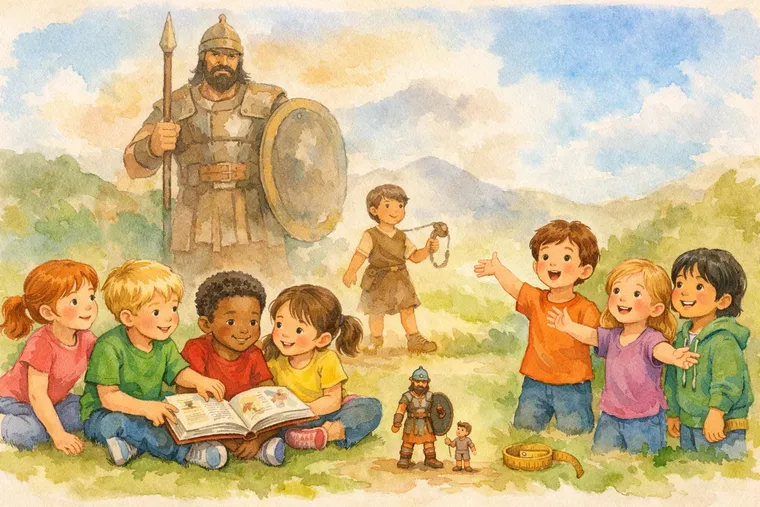
Was Goliath Real?
Christians believe Goliath was a real Philistine warrior from the city of Gath, because the Bible tells the story of David and Goliath as history (1 Samuel 17).
Read the full answer →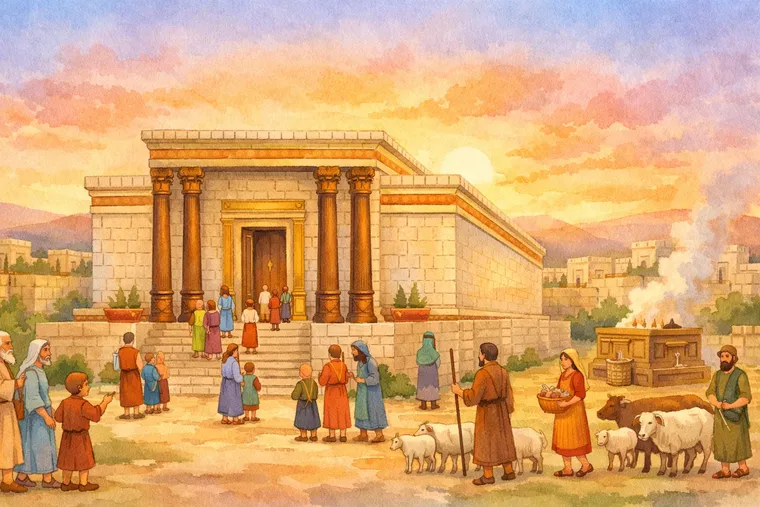
Was King Solomon Real?
Christians believe King Solomon was a real person, because the Bible tells his reign as history and Jesus himself spoke of Solomon as a real king (Matthew 12:42).
Read the full answer →
Was Job a Real Person?
Many Christians believe he was, because other books of the Bible speak of him that way.
Read the full answer →
Are Unicorns in the Bible?
Yes and no. The word "unicorn" really does appear in the King James Version of the Bible, nine times, but the Hebrew word behind it, re'em, does not mean a magical horse with one horn.
Read the full answer →Questions About History Around Jesus
Real people and objects from the Gospels, and what the evidence shows.
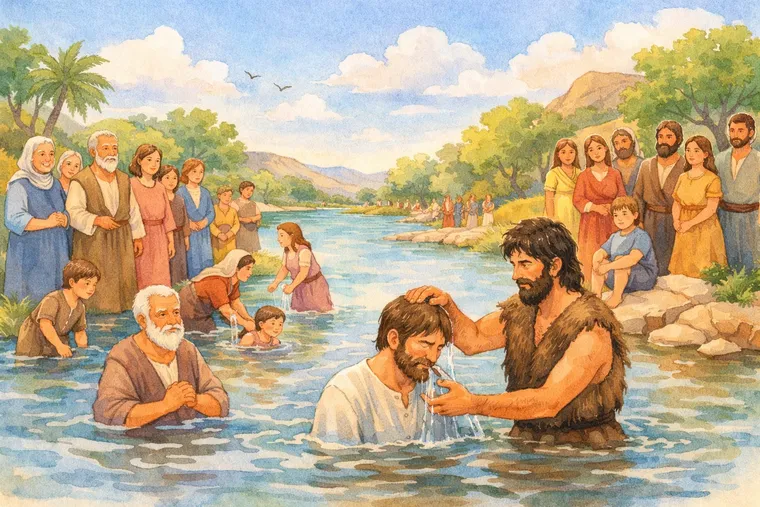
Was John the Baptist Real?
Yes, John the Baptist was a real person. He appears in all four Gospels, and he is also described by the first-century Jewish historian Josephus, who was not a Christian. Almost all modern scholars accept that passage in Josephus as genuine.
Read the full answer →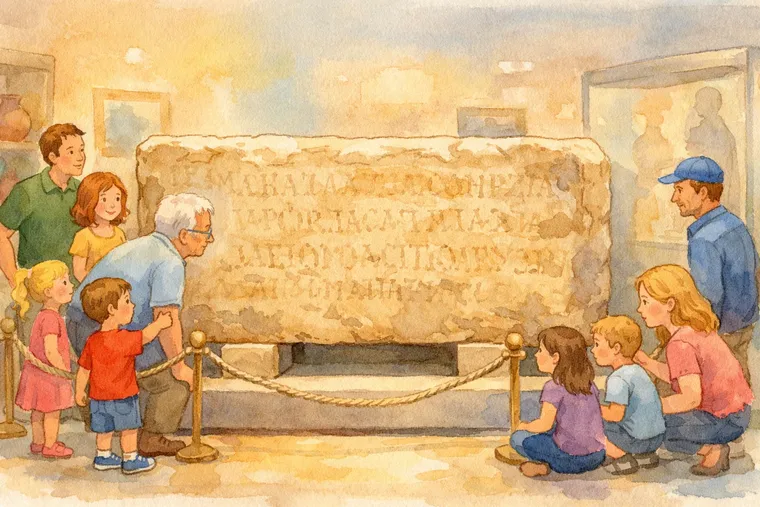
Was Pontius Pilate Real?
Yes, Pontius Pilate was a real person. He was the Roman governor of Judea from about AD 26 to 36, and his name was found carved in stone at Caesarea, on the coast of Israel, in 1961.
Read the full answer →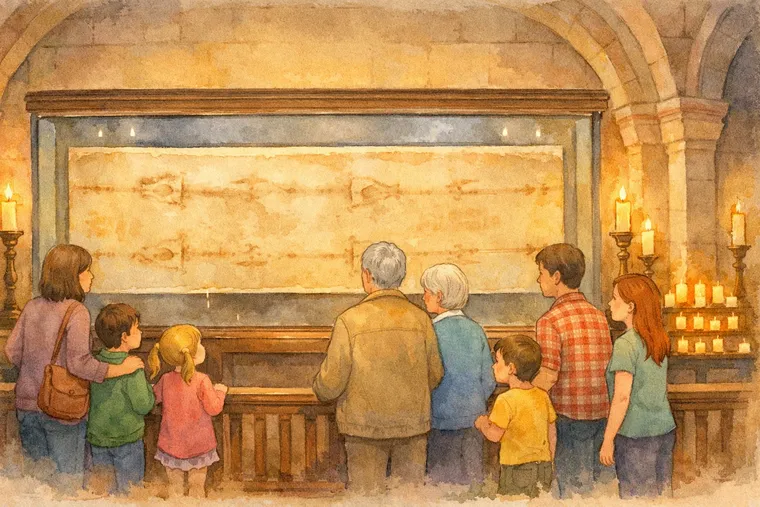
Is the Shroud of Turin Real?
The cloth itself is certainly real: a long linen sheet, kept in Turin, Italy, that carries the faint image of a man who appears to have been crucified.
Read the full answer →Apologetics for Kids: Questions Parents Ask
What is apologetics for kids?
Apologetics means giving reasons for what you believe (1 Peter 3:15). For kids, it means answering their honest questions, like "Is God real?" or "Was Noah’s ark real?", with simple, truthful answers they can understand, so faith and questions grow up together instead of competing.
At what age should I talk to my child about these questions?
Whenever they ask. Children as young as five ask whether Bible stories really happened. Every guide here has a short script for ages 5-7, a fuller one for ages 8-11, and an honest, evidence-level answer for ages 12-15.
What if I do not know the answer to my child’s question?
Say so, and look it up together. Saying "That is a great question, let’s find out" teaches a child that faith is not afraid of questions. These guides are written so a parent can read one in ten minutes and answer with confidence.
Do these answers take a side on creation or other debates?
No. Where faithful Christians differ, for example on how to read the days of Genesis or whether the flood was global or regional, each guide explains the main views fairly so you can share what your own church teaches.
Are these answers honest about what history can and cannot prove?
Yes. Each guide separates what history and archaeology show from what Christians receive by faith, names real evidence with its limits, and says plainly when a viral claim (like "Noah’s ark found") has not been verified.
- 300+ lessons
- Quiz after every story
- Safe and ad-free
Watch the Stories Together
Faithful Kids has 300+ short Bible video lessons for ages 5-15, Genesis to Revelation, each with a quiz. The stories behind these questions, from Creation to the empty tomb, are all there.
Get started