Blog/How to Explain Worship to a Child (More Than Singing)
Guide
How to Explain Worship to a Child (More Than Singing)
Ages 5+·11 min read··By Faithful Kids Team·Updated August 16, 2026
Worship means showing God that He matters most -- telling Him and showing Him that He is great and that we love Him. Singing is one way to do it, but worship is bigger than music: praying, giving, serving, listening to His Word, and even doing chores with a glad heart can all be worship.
That last part usually surprises kids, because most children think "worship" is the twenty minutes of songs before the sermon. Getting this one idea right -- worship is a whole-life posture, not a music genre -- changes how a child experiences church, and honestly, how they experience Tuesday afternoon.
Here is how to explain it simply, why we do it at all, and what to do with the child who spends the entire church service melting off the pew.
What Is the Simple Explanation of Worship?
Here is a script you can say word for word: "Worship means showing God He is the most important. Think about how you cheer for your favorite team, or how you run to hug Grandma at the airport -- when you love someone or something a lot, it comes out of you. Worship is what comes out of us because we love God. Sometimes it comes out as singing. Sometimes it is praying, or saying thank you, or sharing what we have, or doing our very best on something because we are doing it for Him. Anything you do to show God 'You are the greatest, and I love You' -- that is worship."
The Bible backs up the big definition. Yes, there is singing: "Worship the Lord with gladness; come before him with joyful songs" (Psalm 100:2). But Paul goes much wider: "offer your bodies as a living sacrifice, holy and pleasing to God -- this is your true and proper worship" (Romans 12:1). Your body -- meaning your whole ordinary life. A kid-level translation: "Worship is not just something you sing. It is something you live."
Why Do We Worship God?
We worship God because He deserves it and because He made us for it -- worship is the right response to who God is and what He has done. Kids ask "why" here more than adults expect, and "because we're supposed to" is not an answer that survives fourth grade.
Try building the answer in three layers:
Because of who God is. "God made everything -- every star, every animal, every person, you. When you see something amazing, what do you do? You say WOW. Worship is saying WOW to God on purpose."
Because of what He has done. "God did not just make us -- He loves us, He sent Jesus to rescue us, and He never leaves us. When someone gives you an incredible gift, you say thank you. Worship is our thank-you that never runs out."
Because it changes us. Here is the secret grown-ups know: God does not need our worship -- He is not insecure. WE need it. "Whatever you cheer for the most starts to shape you. If we spend our lives cheering only for ourselves, we get smaller and grumpier. When we worship God, our hearts grow bigger, braver, and happier. Worship puts everything back in the right order."
One clarifying note for kids: worship is for God alone. We can admire athletes and love our family, but the WOW that belongs to the Maker of everything goes to Him only -- "God is spirit, and his worshipers must worship in the Spirit and in truth" (John 4:24). And because worship overlaps so much with talking to God, our guide on how to explain prayer to a child makes a good next read.
How Do You Explain Worship at Every Age?
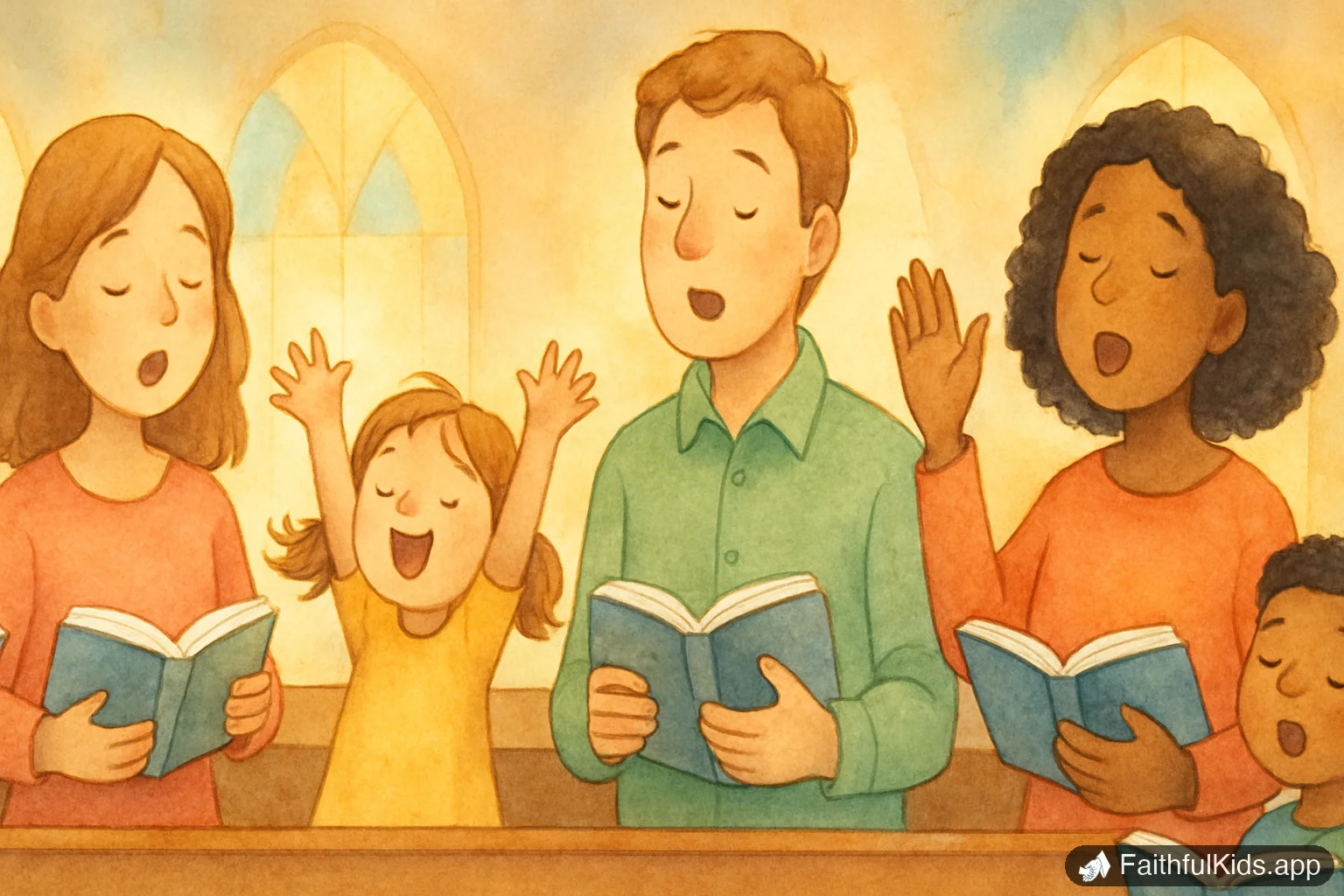
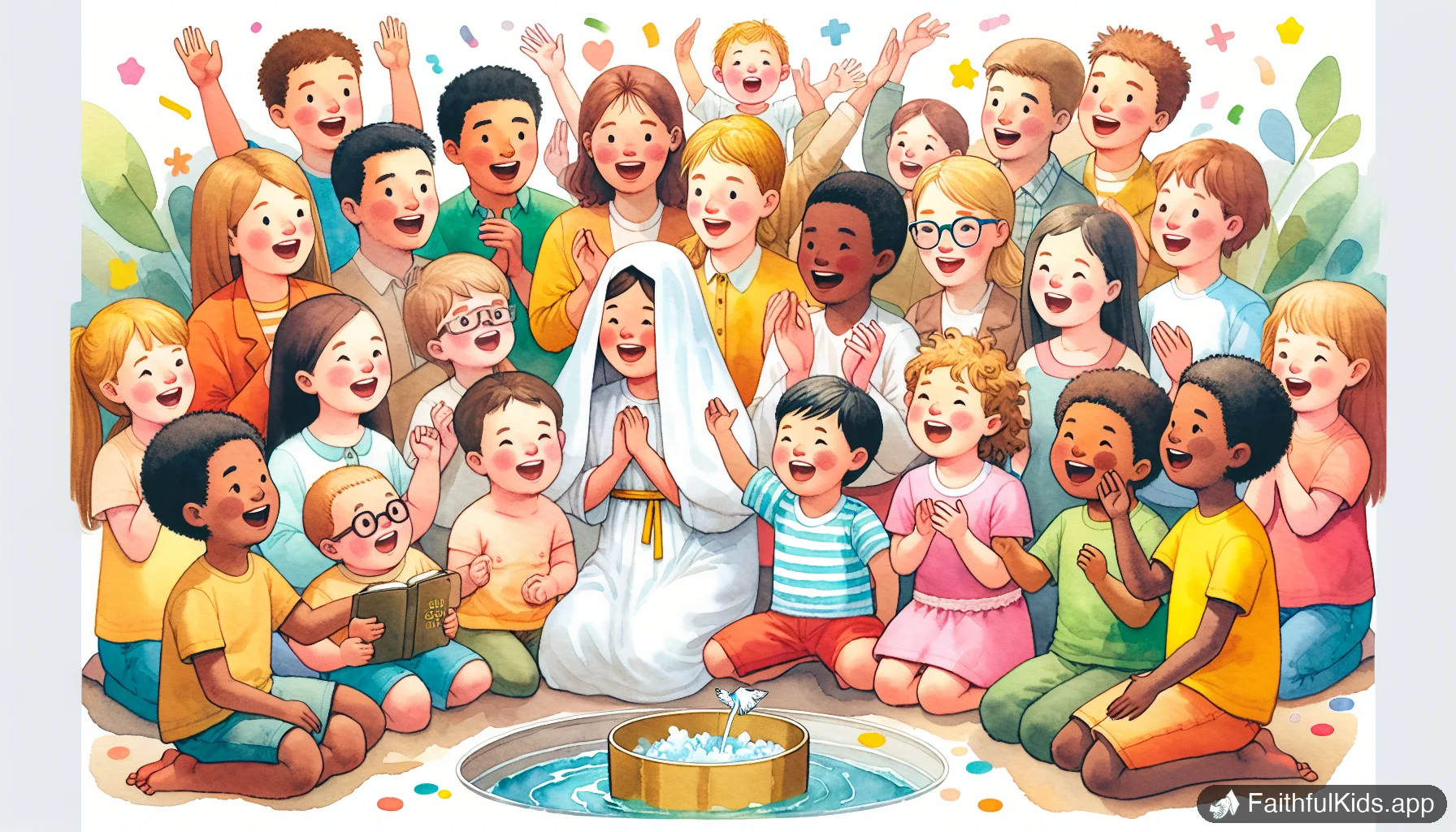
Ages 4-6: Keep it physical and joyful. "Worship is telling God we love Him -- with our songs, our hands, our dancing, our thank-yous." At this age, worship IS movement: clap, twirl, march, sing loud. Do not shush the joy out of it. A four-year-old belting a song off-key with full-body motions is closer to Psalm 100 than most adults get. Simple practice: at dinner, everyone says one "WOW, God" thing from the day.
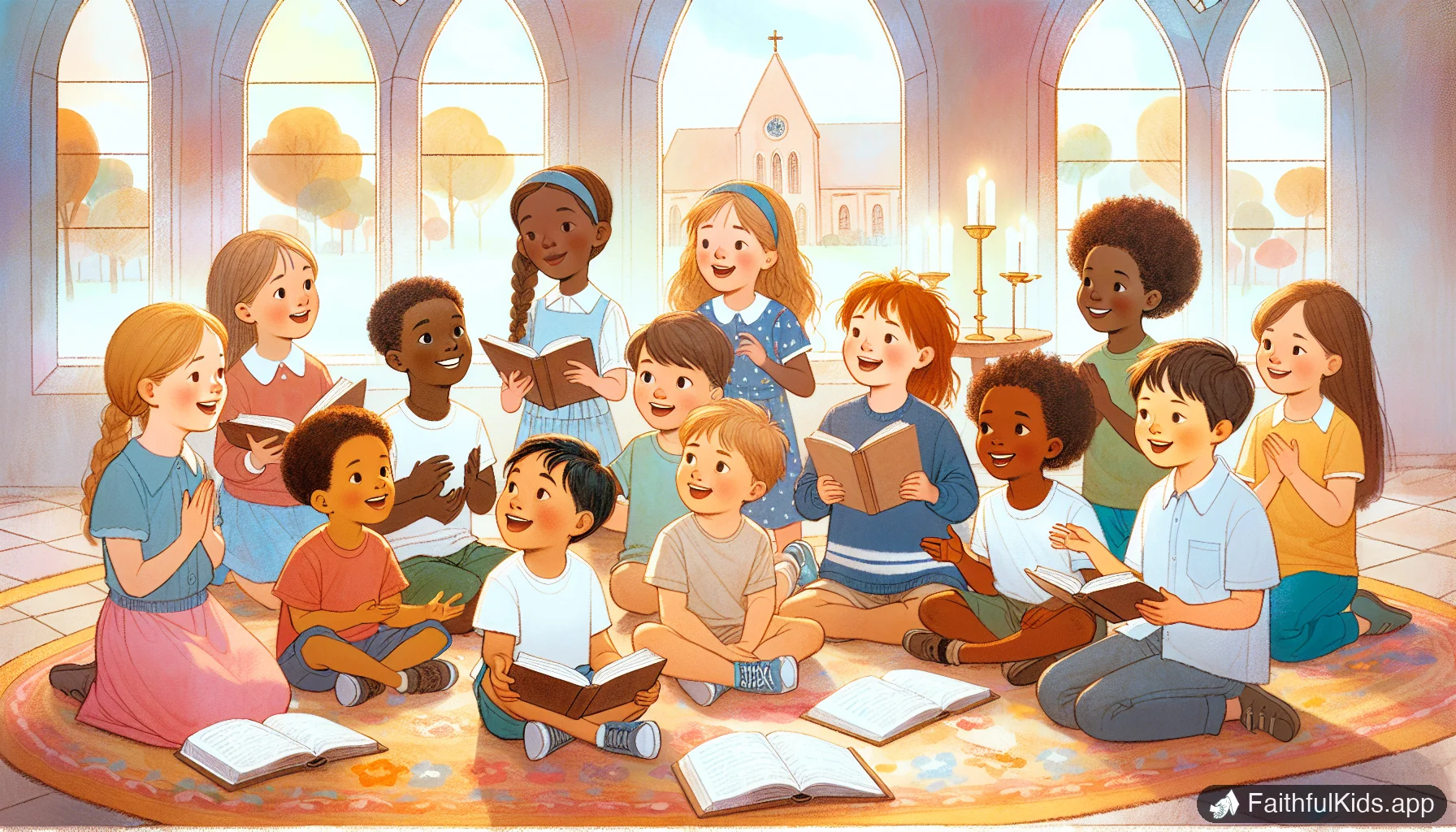
Ages 7-10: Introduce the bigger definition. "Singing is one way to worship -- what are ten others?" Make a list together: praying, giving, helping someone, telling the truth when it is hard, making art for God, doing your best on homework, saying thank you. Then pick one to actually do this week. This age can also start understanding the difference between singing about God and singing to God -- "In this song, who are you talking to?" A good playlist helps; we keep a list of worship songs for kids that hold up in the minivan.
Ages 11+: Talk about worship as an ordered heart. Preteens are already worshiping something -- a team, a game, a follower count, being liked. That is not a guilt trip; it is an honest observation everyone can relate to. Ask: "What do you spend your best energy and attention on? Whatever gets your best is what you're worshiping." Then connect it to freedom: worshiping God is the one loyalty that never lets you down or uses you up. This is also the age to discuss authenticity -- God prefers an honest "I don't feel like singing today, but I'm here" over polished pretending (see Psalm 13, where David worships while complaining).
How Do You Help Wiggly Kids Worship in Church?
Lower the bar from "sit perfectly still" to "participate at your size" -- stillness is not the goal of worship, engagement is. Some practical moves that work in a real pew:
Give them a job during the songs. Even non-readers can clap, raise hands on the big notes, or listen for a "magic word" (God's name, "holy," "love") and squeeze your hand every time they hear it.
Sit where they can see. Kids disengage when their view is the back of a tall stranger. Front third of the room, aisle seat, or on a hip during singing changes everything.
Preview one song at home. If your church posts the setlist or has a repeated favorite, play it in the car that week. Kids worship best with songs they already own.
Whisper-narrate the service. "Now we're telling God sorry. Now the pastor reads God's words. Now we give." Naming the parts turns a long blur into a sequence a child can ride.
Bring quiet hands, not screens. A sermon-doodle notebook ("draw one thing the pastor says") keeps hands busy while ears stay in the room; a game does the opposite.
Debrief for ninety seconds after. One question in the car: "What was your favorite part -- and what do you think God liked about today?" It signals that church was something we did, not something we endured.
And keep perspective: when David brought the ark into Jerusalem, he "danced before the Lord with all his might" (2 Samuel 6:14) -- and the person who rolled her eyes at the undignified display is not the hero of that story. Wiggles are raw material, not rebellion. For a deeper toolbox here, see our full guide on how to make church fun for kids, and if your child is asking the more fundamental question, we answer it head-on in why do we go to church.
See what they get
Watch Songs of Praise Come Alive
Songs of Praise is one of 300+ short narrated video lessons your child will love. Watch the whole episode right here — in the app, every lesson ends with a fun quiz to check what they learned.
A real lesson from the app — watch the whole thing free.
What Questions Will Kids Ask About Worship?
"Why does God want us to tell Him He's great? Isn't that bragging?" "God is not fishing for compliments -- He does not need them. He asks us to worship because it is TRUE and because it is good for us. Saying true things about God puts our hearts in the right place, like how saying 'thank you' makes you a more thankful person."
"Do I have to sing if I don't like singing?" "No -- singing is one way to worship, not the only way. You can pray the words in your head, listen carefully, or just stand with everyone and mean it. God looks at your heart, not your volume."
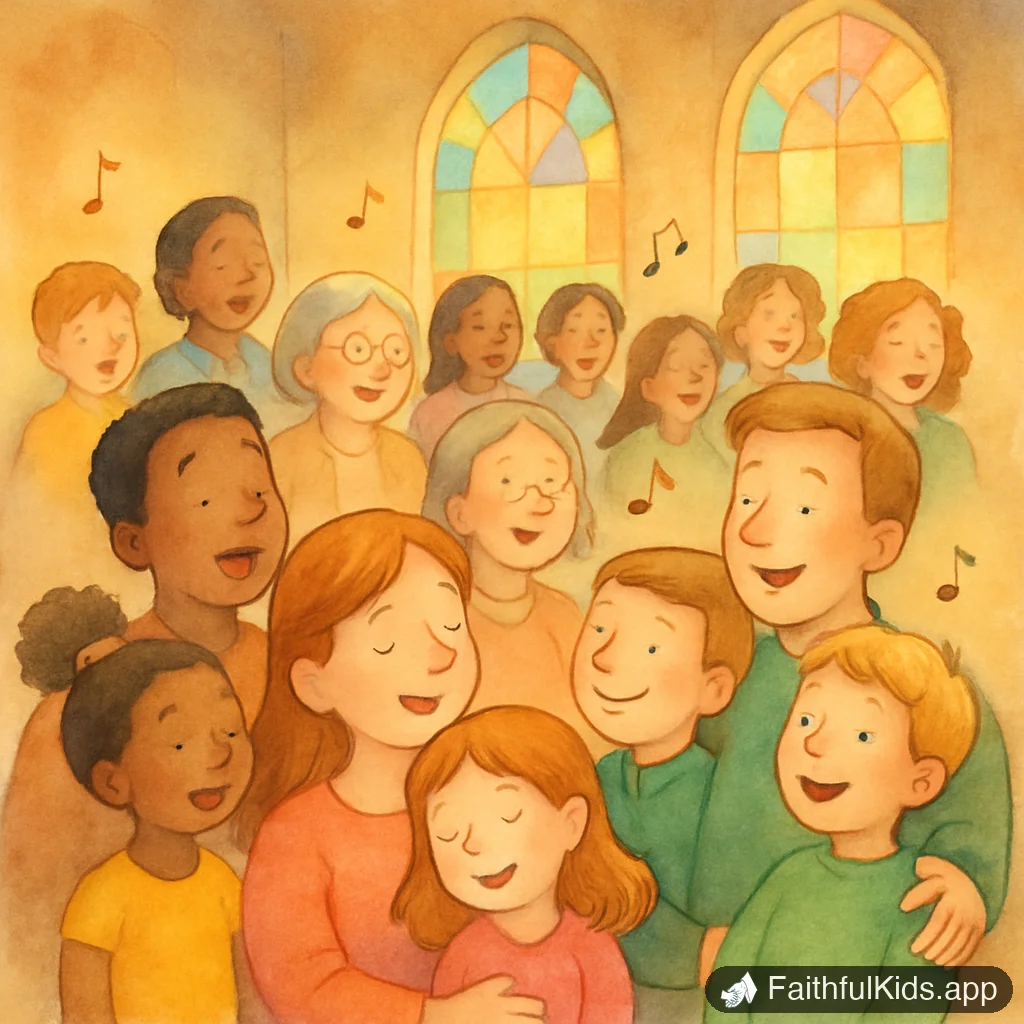
"Can I worship God in my room? Why do we have to do it at church?" "Yes, you can worship anywhere, anytime -- alone in your room totally counts. But worshiping together is special, like how singing 'Happy Birthday' with the whole family beats singing it alone. Jesus said when we gather in His name, He is there with us (Matthew 18:20)."
"Is it worship if I don't feel anything?" "Yes. Worship is a choice first and a feeling second. Some days the feelings show up, some days they do not -- God treasures the days you worship anyway, because that is real love."
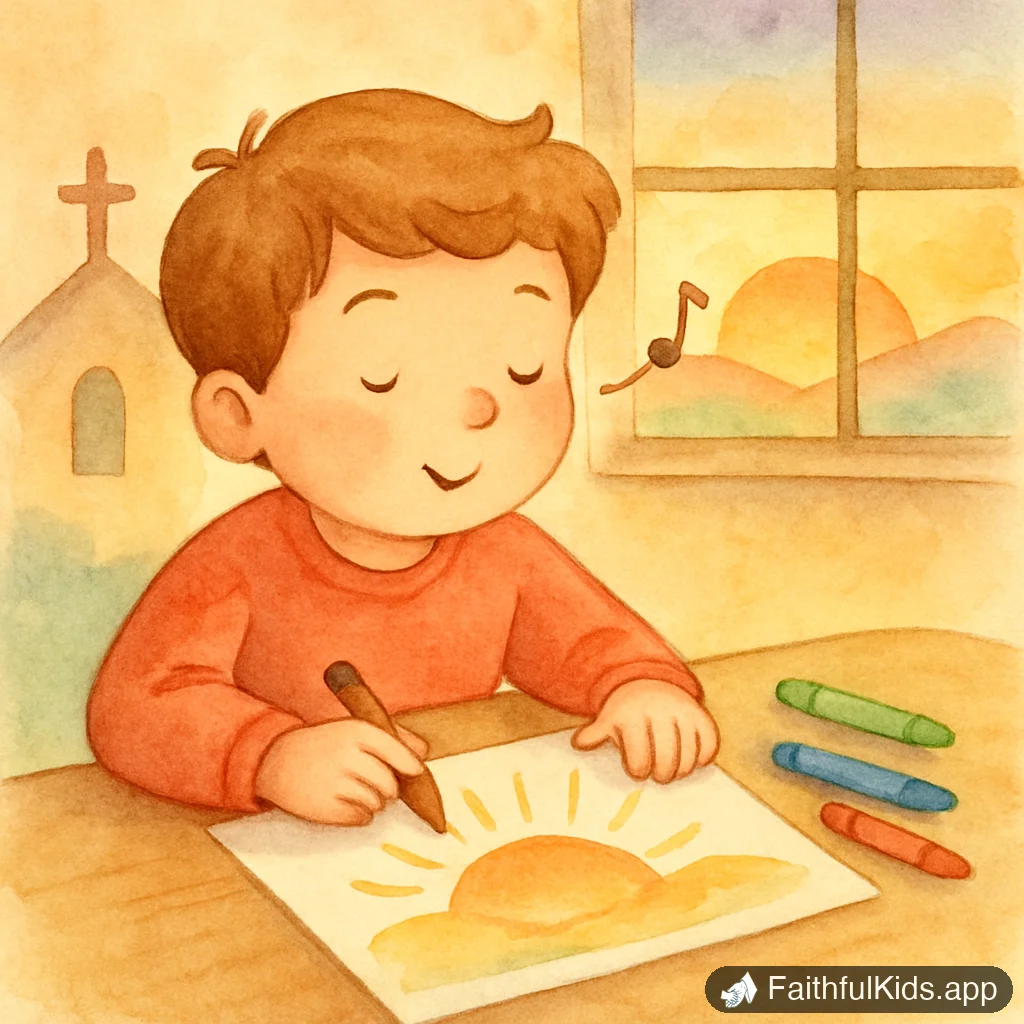
"Can drawing (or soccer, or Legos) be worship?" "It can! If you do it to say thank you to God for how He made you, and you do it with your best -- that is worship. Colossians 3:23 says whatever you do, work at it with all your heart, as working for the Lord."
Which Bible Story Should You Read Together?
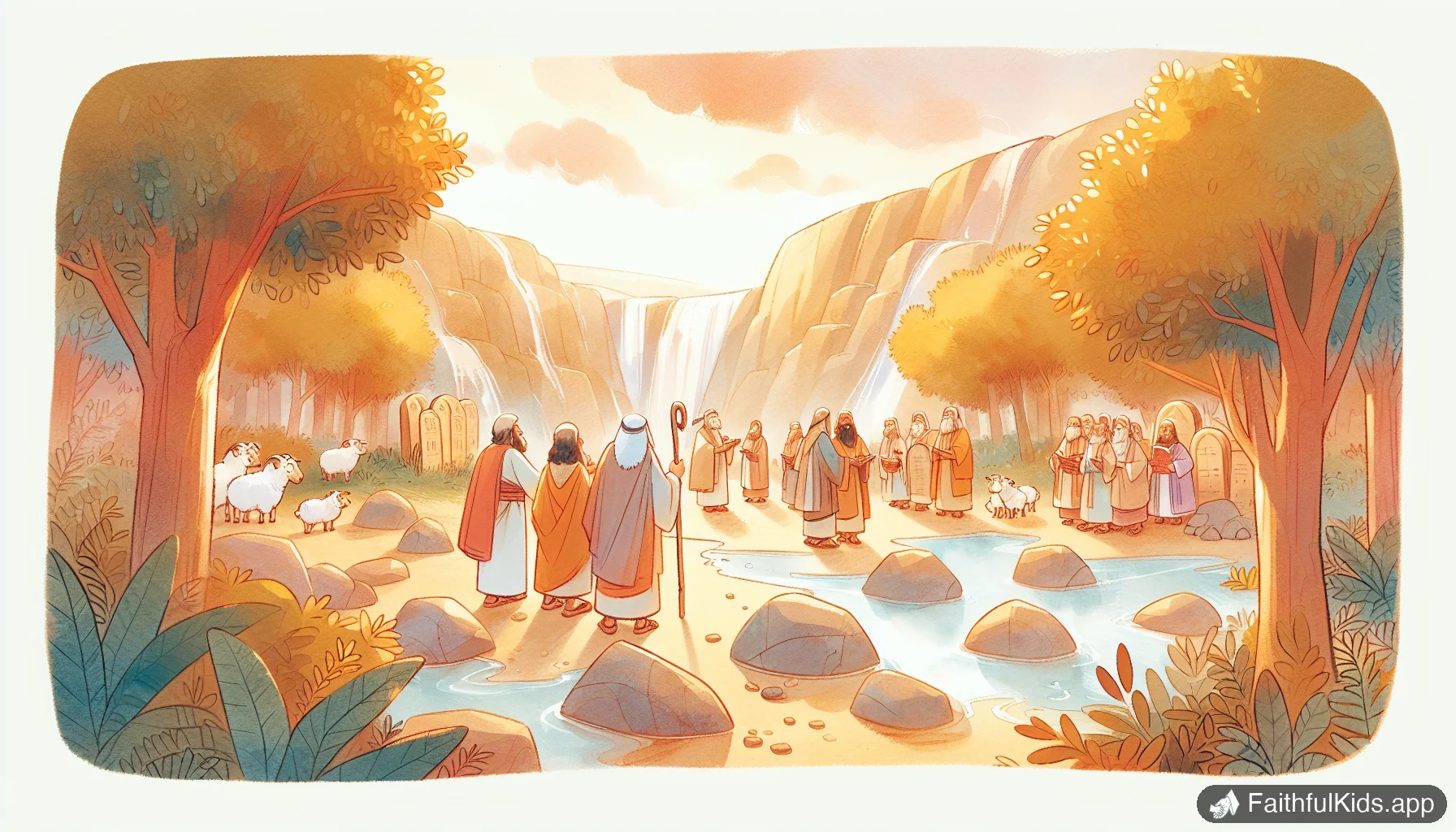
Read 2 Samuel 6:12-22 -- David dancing before the Lord as the ark comes into Jerusalem. It is short, vivid, and perfect for this topic: the king of Israel is so full of joy about God that he leaps and dances in the street with all his might, and when his wife Michal sneers that he looked ridiculous, David answers that he will celebrate before the Lord and become even more undignified than this.
Ask your child three questions: "Why was David so excited? What did Michal think worship should look like? Whose side is the story on?" Then land it: "Worship is not about looking proper. It is about a heart so glad about God that it shows." The video lessons at Faithful Kids pair stories like this with quizzes and reflections, which is a low-pressure way for kids to chew on what worship means during the week.
What Should You NOT Say About Worship?
Don't say "worship time is over" when the music ends. It quietly teaches that worship equals songs. Try "singing time is over" instead -- small change in wording, big change in theology.
Don't say "God is watching, so sit still." That recruits God as a behavior cop and makes worship about fear. Redirect wiggle behavior on your own authority; keep God on the side of joy.
Don't shame low-energy participation. "Why aren't you singing? Don't you love Jesus?" attaches guilt to worship, and guilt-flavored worship curdles by the teen years. Invite; don't interrogate.
Don't perform worship for show -- or teach kids to. Jesus warned about practicing righteousness "to be seen" (Matthew 6:1). Praise your child's sincerity, not their stage presence.
Don't pretend adults always feel like worshiping. Kids benefit enormously from hearing, "I did not feel like singing this morning either, but I chose to, and by the second song I meant it." Honesty makes worship reachable.
Frequently Asked Questions
What is worship in simple words for a child?
Worship means showing God He matters most -- telling Him He is great and that we love Him. Singing is one way to worship, but praying, giving thanks, sharing, serving, and doing your best for God all count too. It is love for God coming out of us on purpose.
Is worship only singing songs at church?
No. The Bible describes worship as a whole-life response to God -- Romans 12:1 calls offering our everyday lives to God our "true and proper worship." Singing is a wonderful and biblical part of worship, but giving, serving, praying, and obeying God are worship too.
Why do we worship God?
We worship God because He deserves it -- He made everything, He loves us, and He sent Jesus to rescue us -- and because we were made for it. God does not need our praise; we need to give it, because worship puts our hearts in the right order and makes us more joyful and grateful people.
How can I get my child to participate in worship at church?
Lower the goal from "sit still" to "join in at your size": give them a listening job during songs, sit where they can see, preview one song at home during the week, and quietly narrate the parts of the service. Then debrief with one question afterward. Participation grows from familiarity, not pressure.
At what age can kids start worshiping God?
Immediately -- there is no minimum age. Toddlers worship through simple songs, clapping, and thank-you prayers; elementary kids can grasp that worship includes giving and serving; preteens can understand worship as giving God their best loyalty and attention. The expression matures, but a three-year-old's joyful song is real worship.
What if my child says worship is boring?
Do not panic or scold -- ask what part feels boring and solve that specifically (usually it is unfamiliar songs, not seeing, or not understanding the flow). Add worship they can own: music in the car, a WOW-God moment at dinner, a job during the service. Boredom means disconnection, and connection can be built.
🌙 Free: The Bedtime Bible Kit
Seven nights of five-minute stories — a story, a prayer, and one question to whisper about.
Free printable + a few helpful emails. Unsubscribe anytime.